

The Hidden Side of Life: Trials We All Face
I have come to the conclusion that everyone, no matter how blessed, faces trials.
Some are ordinary: how to pay a bill, find a job, or cope with everyday stress. Others are far heavier. I remember a week a few years back when I was praying for friends and loved ones dealing with heart bypass surgery, Parkinson’s disease, accident recovery, cancer, and stroke. Any of these can feel insurmountable, especially when a doctor uses the word “terminal.”
Thirty-nine years ago I sat with my dad after he received a terminal diagnosis. He chose a treatment that might give him five more years if it worked. Even while facing his own death, his thoughts centered on making sure his family knew how he felt and that they would be all right without him. I never fully accepted how immediate his condition was, and I missed chances to share my feelings with him. Maybe it was the awkwardness of youth or simply not knowing how to say what I felt.
His sudden death left me more open with others for a time, unwilling to leave things unsaid. Over the years, though, I’ve drifted back into the habit of keeping those thoughts inside.
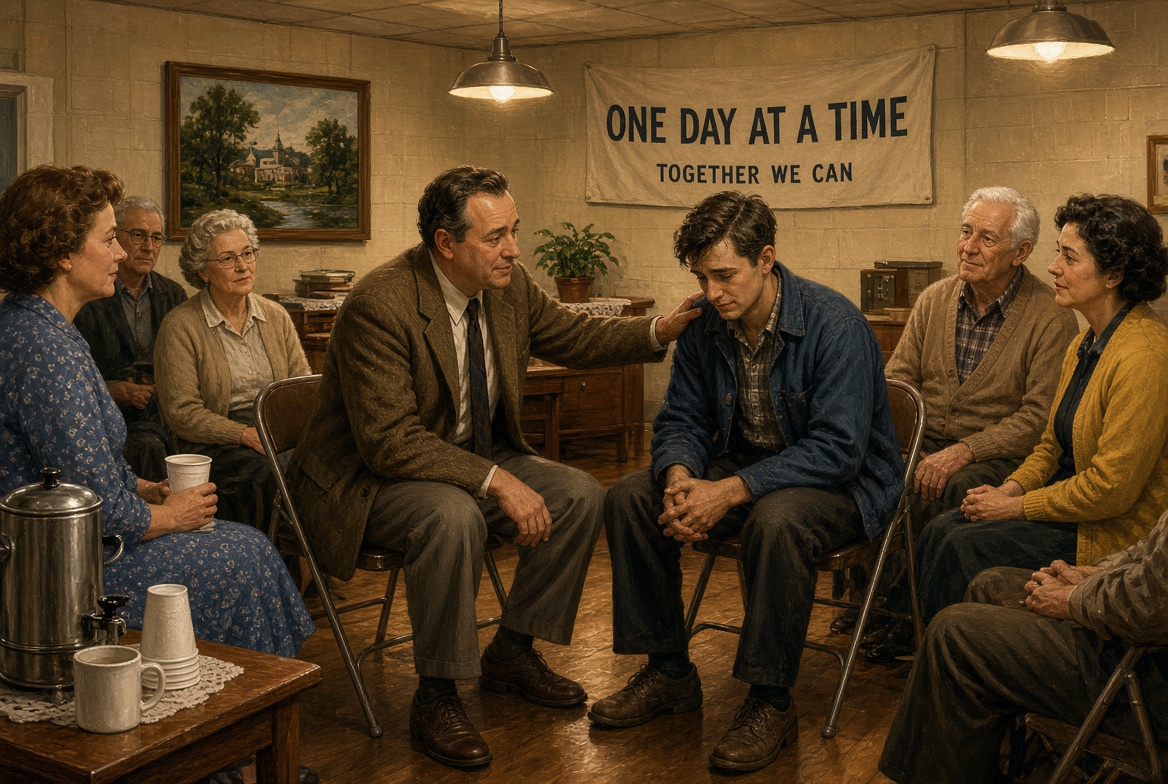
Our home church began a ministry several years ago for people caught in addiction. Has there ever been something you wanted so badly that your body ached and your mind could focus on nothing else?
When most people hear “addiction,” they think of alcohol or drugs. The list is much longer, and the damage is often the same—to the person struggling and to everyone around them. I have yet to meet anyone who cannot be pulled into some activity or fascination that consumes time, money, and energy, sometimes at real cost to themselves or those closest to them.
You may think, “How can I be addicted? I’m a good person,” or “I’m a Christian.” Consider a few less obvious possibilities: exercise, computer use, food, gambling, sex, or limerence (an obsessive romantic attachment). Any of these can become addictive.
Addiction usually involves impaired control, preoccupation with a substance or behavior, continued use despite consequences, and denial. The drive for immediate relief often overrides concern for long-term effects. Stopping suddenly can bring anxiety, irritability, cravings, nausea, and other withdrawal symptoms.
In truth, most of us have addictive tendencies. Unchecked, those tendencies can become addictions. Is there something you feel you have to watch or attend, even when it crowds out other priorities? (I’ve wondered more than once whether following every football or baseball game counts.)
I have spent much of my life encouraging young people to stay away from drugs and alcohol, and I have lost friends and family to both. I chose not to use them myself, yet I know the potential exists in me, just as it does in other members of my extended family. One step in the wrong direction can open a door. I am also a creature of habit. At times I have wrestled with behaviors that felt close to obsessive-compulsive patterns. Having worked through those, I now try to stay alert so I don’t slip into unhealthy routines.
If your church or a local nonprofit offers a recovery program, support it with whatever gifts you have. If a friend needs someone to go with them to a meeting, don’t stay home out of fear that people will assume you have a problem. Just be there.
Addiction is potentially within each of us. Some forms are simply less visible or less stigmatized, but they still affect our lives and the people we love.
Read more of Randall’s writing through his books available in our Store.



