Some time ago, I found myself sitting in my doctor’s office for a routine annual test. It was the first time I noticed that the waiting room had been divided into two sections: one clearly marked “Well Side” and the other “Sick Side.”
I figured I belonged on the Well Side. But before long, I noticed someone else in my section coughing persistently. I’m sure the new division is meant to limit the spread of germs. Still, since everyone is breathing the same air in the same room, I wonder how effective it really is.
Why, after all, do healthy people go to the doctor? I like my doctor, but I don’t just drop in because I think he might be lonely and then pay for the privilege of keeping him company.I also couldn’t help wondering whether this well/sick division might eventually spark a class-action lawsuit. Perhaps one group will claim discrimination because they can’t see the TV as well as the other, or because the “well” patients have to walk farther to reach the bathroom.
Maybe the Census Bureau will soon add two new categories to divide us by: sick and well. Politicians might then begin courting favor with each group, offering targeted benefits to win their votes.
As I sat there pondering these two emerging political powers, a bigger question occurred to me: What should the real criteria for membership be?I was on the Well Side because I was there for an annual checkup. But I get that checkup to make sure my medication isn’t making me sick. And I take medication because I’m not entirely well. So technically, I don’t qualify for the Well Side—otherwise, I wouldn’t need the meds in the first place.
That realization suggested I should move to the Sick Side. But then those patients might give me something, so I refused to acknowledge that I belonged there either.In reality, all of us in that waiting room must be sick in some way, or we wouldn’t be there at all. Perhaps the signs should simply read “Somewhat Sick Side” and “Sicker Side.” At least that way, we’d all be in this together.
Considering the deep divisions currently facing our country—divisions that seem constantly widened by the media and politicized by elected officials—maybe creating even more groups isn’t the wisest path forward.
Perhaps the better approach is to eliminate unnecessary divisions, promote better understanding, foster genuine cooperation, and work together so that everyone is along for the ride. Ultimately, whether we are well or sick, old or young, rich or poor, one color or another, one religion or another, one political party or another, or one ethnicity or another, we must remember this: Within the borders of the United States of America, our goal is to be one people—Americans. The divisions we choose to align with, or into which we are born, must never prevent us from achieving that.
Read more from Randall by getting one of his books in the Randall Frank’s Store.
https://randallfranks.com/wp-content/uploads/2026/02/Southern-Style-HEADER2.jpg300691Randall Frankshttps://randallfranks.com/wp-content/uploads/2015/12/r-franks-logo-1.pngRandall Franks2026-04-29 06:00:522026-04-20 10:53:23Well Side or Sick Side? The Waiting Room Divisions
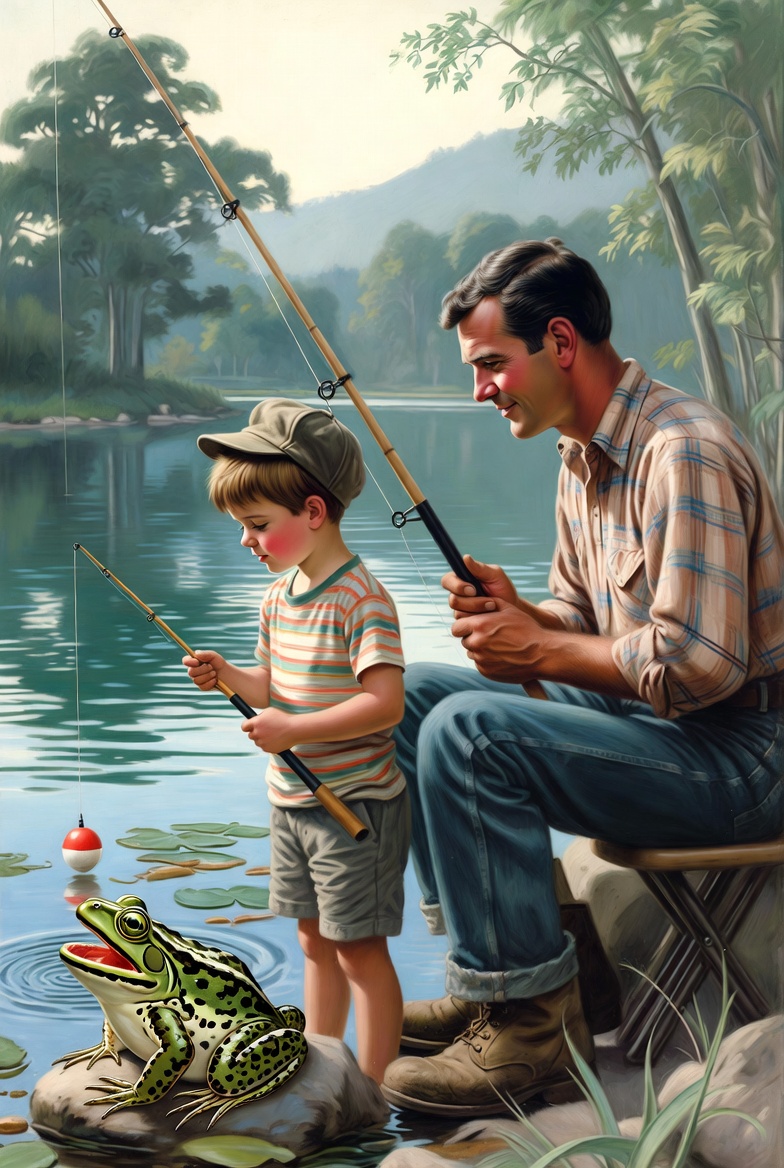
Ripples float endlessly across the lake as a large frog croaks in the distance.
The line running from the end of my pole drifts slightly with the light current, pulling away to my left as the red-and-white float bobs along with the ripples.
Much of my first fishing adventure had been spent simply trying to get the worm-baited hook into the water. My childhood attempts at fishing with my dad, especially early on, often mirrored the classic episode of The Andy Griffith Show in which Howard Sprague spends more time with his hook caught in a tree—or his own pants—than in the water.
In retrospect, my dad’s patience as he taught me the basics and answered my endless questions was remarkable: Why do fish eat worms? Why do we have to put the hook through the worm—can’t we just throw them in and let the fish eat them? Why do we need a float on the line? And why do I seem to do better when I cast the line behind me instead of in front?
These are just a few of the questions I still remember.My father was a lot like me—outdoor sports weren’t really his thing. Yet he believed it was important for me to learn them, and more importantly, for us to share the experiences he had once enjoyed with his own father and uncles. In the midst of those simple lessons, deeper truths were quietly passed along.
The bonds created between a father and son through positive shared experiences; a growing respect for the natural world and the people and creatures who share it with us; and a clearer understanding of what is expected of you when you become a man.
I am so grateful he took that time with me. Often, those moments seemed strategically placed around the toughest points in my life, when I needed his input, his lessons, his hope, and his insights the most.
By establishing that groundwork when I was young, our relationship had a smoother path as the years passed. Even as an older teen, when I began testing the boundaries by asserting my own authority, we were able to work through those tense moments. What could have driven us apart instead became teachable experiences that strengthened our bond.
Perhaps my father’s early passing forever set my perspective of our relationship in the warm nostalgia of youth. We never quite reached the “best friends” stage that often develops between fathers and adult sons, because he was still very much in the role of dad. That role would never have fully ended, of course, but after college, as I took on more responsibility for my own life, I had hoped our conversations could have taken on a different, more equal form.
It is this time of year when my father’s memory feels closest. We shared so much during the warm months of the year. I am thankful that God placed me in a family with two parents who were present and actively involved. So many young people do not have that blessing. As the news of the world seeps into my awareness, I can’t help but wonder how many troubling headlines might have been prevented if more mothers and fathers had been present and participating in their children’s lives.
Are you present in your children’s lives? Are you teaching them the lessons they need? Do they show respect for other people, and creatures? If not, may I suggest a fishing trip?
There is something iconic and idyllic about those opening shots of The Andy Griffith Show, with Andy and Opie Taylor walking along a country road, fishing poles over their shoulders. Funny how so many of us still long for that kind of simplicity. We may never fully reclaim it, but it never hurts to take the walk.“So, take down your fishin’ pole.”
Find more stories from Randall in his books in our STORE.
https://randallfranks.com/wp-content/uploads/2026/02/Southern-Style-HEADER2.jpg300691Randall Frankshttps://randallfranks.com/wp-content/uploads/2015/12/r-franks-logo-1.pngRandall Franks2026-04-22 06:00:382026-04-13 11:46:44Cast into Memory: Reflections on a Fishing Trip
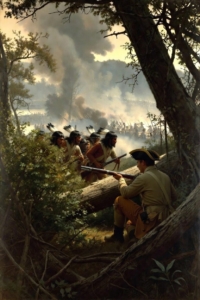
Retreating on foot through the smoke and chaos, young Sergeant Giles Parman pulled his musket close and slipped into an overgrown thicket, using a fallen oak log as cover. Three Iroquois warriors passed within yards of him, their war cries echoing as they hunted stragglers. That desperate moment of survival would haunt him for the rest of his life.
One of the greatest motivating forces in wartime is the stories of fellow countrymen who suffer at the hands of the enemy. My 6th great-grandparents, Giles and Elizabeth Parman, lived such a story—one deeply interwoven with one of the Revolutionary War’s most devastating frontier defeats.
The Battle of Wyoming, also known as the Wyoming Massacre, occurred on July 3, 1778. What began as a military engagement soon became a sensationalized horror that spread across the colonies, fueling outrage and patriotic resolve.
Giles Franklin Parman Sr. (SAR Patriot # P-265930), born in 1758 in the Wyoming Valley, and his wife Elizabeth Penn were raising two young children on their roughly 100-acre homestead in the Plymouth District. At the time, this area was part of Northampton County, Pennsylvania (later Luzerne County). The Wyoming Valley itself formed a fertile, canoe-shaped corridor stretching 20 to 25 miles along the North Branch of the Susquehanna River and measuring about 3 to 6 miles wide between the flanking Appalachian mountain ridges.
Word of the invading force spread rapidly through the valley’s tight-knit farming communities. A mixed army of British-allied Loyalist Rangers—about 110 men under Major John Butler—and roughly 460–600 Iroquois warriors, primarily Seneca led by chiefs Sayenqueraghta (Old Smoke) and Cornplanter, had entered the northern valley around June 30–July 1. They quickly overran smaller outposts, destroying farms, running off livestock, and killing or capturing some residents in the prelude to the main assault.
At about age 19–20, Giles was already serving in the Pennsylvania militia, which required all able-bodied men aged 18–53 to answer the call. As a sergeant in the Northampton County Militia, he likely led a small squad of 10–20 local farmers. With his own homestead threatened and his young family at risk, he probably loaded Elizabeth and the children into a wagon and hurried them to the safety of Forty Fort (near modern Kingston/Wilkes-Barre), the main Patriot stronghold, before mustering with his men.
Inside Forty Fort, a heated debate raged among the roughly 375 Patriot defenders (five companies of militia plus a small Continental detachment). Lieutenant Colonel Zebulon Butler, a Continental officer home on furlough, and Colonel Nathan Denison urged caution, advising the men to remain behind the stockade and await reinforcements. Hot-headed subordinates, including Captain Lazarus Stewart, demanded an immediate offensive to protect homes and families. The majority voted to march out.
On the hot afternoon of July 3, the Patriot force—accompanied by fife and drum playing “St. Patrick’s Day in the Morning”—advanced northward from Forty Fort to open ground near Kingston. Giles and his men joined the formation as the Patriots established a battle line and initially pushed back the Loyalist Rangers with disciplined volleys. The crack of musket fire filled the air, but the line’s terrifying collapse soon became apparent amid smoke and screams as the right flank gave way under the hidden assault by Iroquois warriors.
Giles and his squad were suddenly inundated by war cries and a galling fire that shattered the Patriot line. The battle turned into a chaotic rout within 30–45 minutes. Panic spread as men fled toward the river, woods, or forts. Historical estimates place Patriot deaths at 160–300 or more in the fighting and immediate pursuit, with many scalped or killed while trying to escape. Loyalist and Iroquois losses remained light.
Giles survived the battle and made a desperate way back toward his family, with pursuers close behind. The scene around him was one of horror—neighbors cut down, the valley’s defenders broken in what colonists quickly called a “massacre.”
The exact path Giles and his young family took in the immediate aftermath has been lost to time. Did they remain sheltered in Forty Fort? Or did they risk returning briefly to their Plymouth District homestead to salvage what they could?
On July 4, Colonel Denison surrendered the fort under terms negotiated with Major Butler: the defenders would not take up arms again, and private property would ostensibly be respected. Family accounts and lore suggest Giles continued fighting for a total of about seven years in militia service (a figure repeated alongside his friend Michael Girdner), so he may not have been present for the formal surrender—allowing him to keep defending the region without strictly honoring the agreement.
Despite the capitulation, discipline among some Iroquois warriors broke. In the hours and days that followed, scattered killings, plundering, and burnings occurred across the valley. Homes and farms were looted and torched; livestock was driven off. While Major Butler largely restrained his white troops and claimed no non-combatants were harmed, the frontier reality included real brutality and revenge—motivated in part by earlier Patriot raids on Iroquois villages. Exaggerated tales of atrocities (including stories of the debated “Bloody Rock”) spread rapidly through colonial newspapers, inflaming public fury and helping inspire the 1779 Sullivan Expedition against the Iroquois.
Giles and Elizabeth helped bury and mourn neighbors and friends. They endured the “Great Runaway”—the desperate flight of hundreds of women, children, and elderly into the mountains and swamps, where many perished from exposure. Giles continued militia duties protecting the frontier through much of the remaining war, a common pattern for Northampton County men focused on local defense rather than distant Continental campaigns.
After the war, the family remained in Pennsylvania for a time. Giles sold and migrated westward around 1792–1793 to Greene County, Tennessee, settling along the Nolichucky River. There he served as a justice of the peace, road overseer, election inspector, and helped found the Flat Branch/New Providence Baptist Church in 1803. Elizabeth died before January 10, 1799. Giles then remarried Phoebe (Gilbert) Woolsey. Across both marriages, he raised roughly 11–12 children. Later, the family moved to Knox County, Kentucky (near modern Corbin), where Giles received a land grant, built a plantation on the Cumberland River, and raised horses. He died there in 1832.
Giles represents the archetypal Revolutionary frontier Patriot: an ordinary young farmer and family man thrust into extraordinary circumstances. Unlike officers or Continental soldiers in major eastern battles, he and thousands like him in the Pennsylvania and New York back country fought a grinding, personal war of home defense against raids that blurred the lines between military action and civilian terror. His survival at Wyoming, continued service, and subsequent life as a community leader and westward migrant embody the Revolutionary promise—defending liberty on the edge of settlement, then helping build new communities in Tennessee and Kentucky as the nation expanded. Giles’s life mirrors the resilience of countless unsung Patriots who paid the price for the freedoms that followed.
Read more of Randall’s writings in his others books found at Randall Franks Store .
https://randallfranks.com/wp-content/uploads/2026/04/banner-giles.jpg289419Randall Frankshttps://randallfranks.com/wp-content/uploads/2015/12/r-franks-logo-1.pngRandall Franks2026-04-15 06:00:432026-04-06 01:12:27A Narrow Escape from the Battle of Wyoming
Music Producer & Video Producer of the Year Nominee
– The Infinity Music and Film Awards
AirPlay Direct Global Americana Single Charts April #6 & May #13!
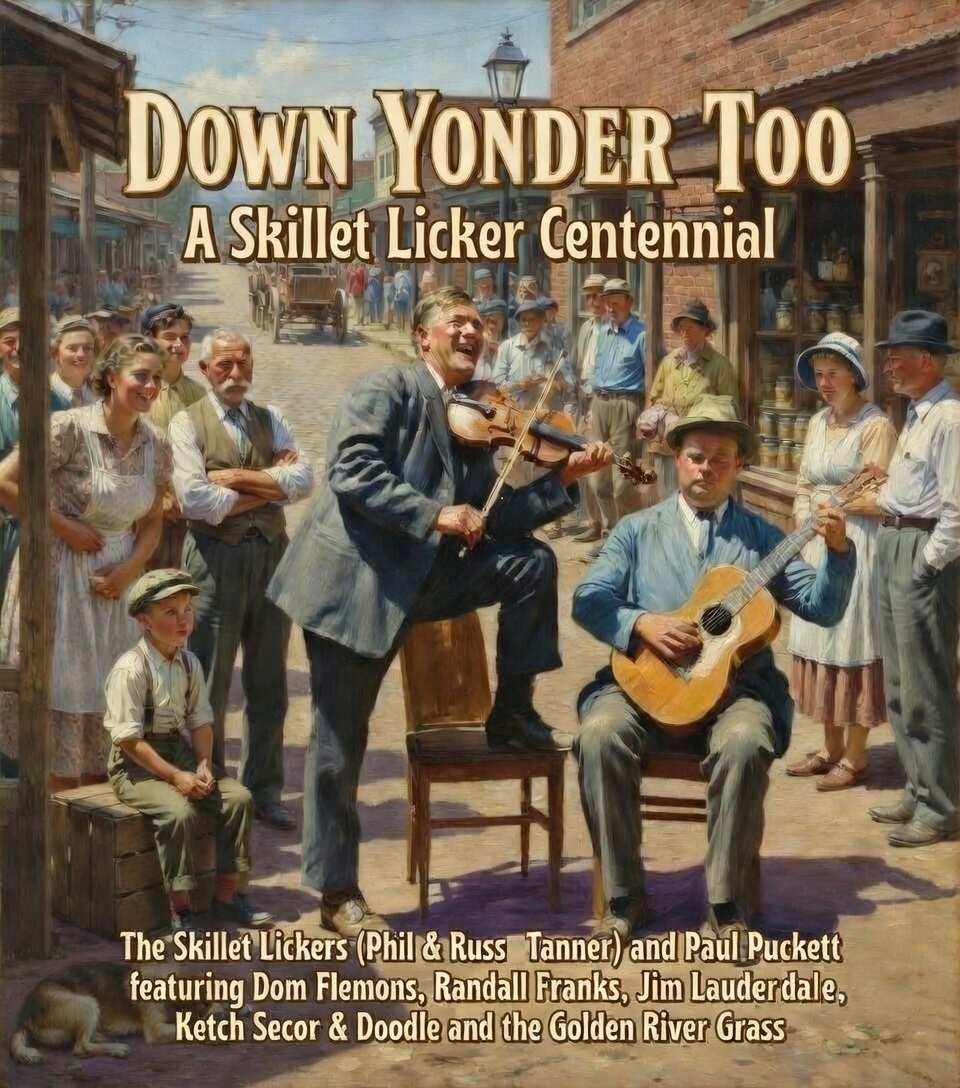
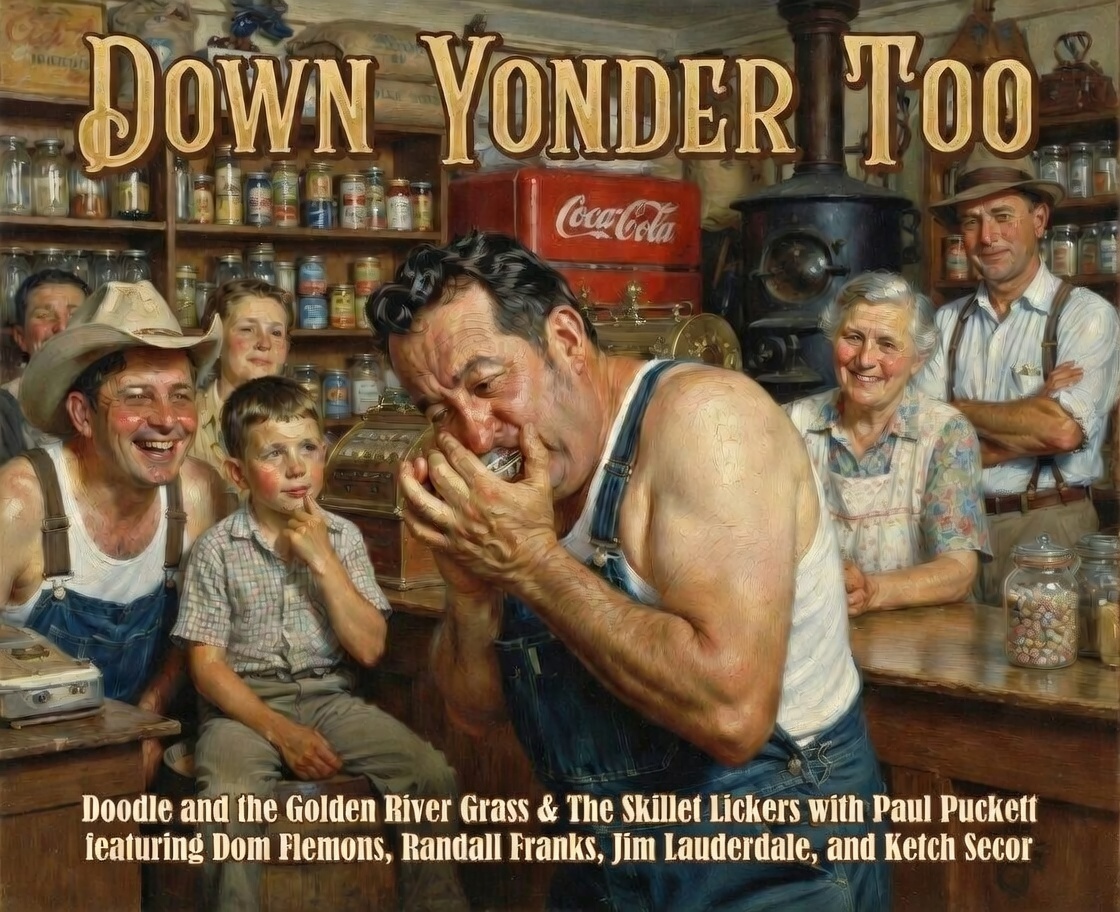
Down Yonder Too
A Skillet Licker Centennial
Preserving the “Soul” of Appalachia
The arrangement is a dizzying, delightful mix of fiddle, harmonica, banjo, jug, and rich vocal harmonies. It captures that “Skillet Lickers” spirit—unrefined, rowdy, and technically brilliant—while layering in contemporary performances that breathe fresh air into the timeless Georgia melody.
A centennial worth celebrating just got its soundtrack… “Down Yonder Too” is joyful, deeply rooted, and built with real reverence for what came before it. That Eric Alper
Please request on your favorite bluegrass, folk, Americana or old country radio program.
and Itunes
Or Simply Donate
Use this QR Code to Donate!
We are working on a CD, DVD, and digital releases. Stay tuned for updates on t-shirts and other merchandise!
You may also send tax-deductible donations via mail to Share America Foundation, Inc., P.O. Box 42, Tunnel Hill, Ga. 30755.
Press Release
Randall Franks Unveils Centennial Single “Down Yonder Too” from Upcoming Album ‘A Zippedy Doodle Day: American Folk Songs’
Historic Track Pairs Georgia’s Legendary Fiddle Bands with Star-Studded Guests to Celebrate 100 Years of The Skillet Lickers
“Down Yonder Too” Features Dom Flemons, Jim Lauderdale, Ketch Secor, and Paul Puckett
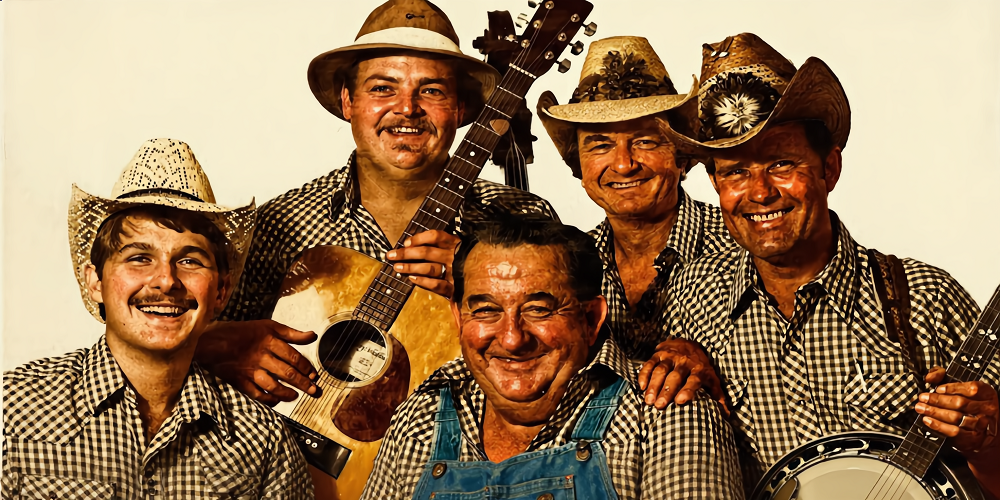
Award-winning bluegrass and Americana artist, actor, and producer Randall Franks announces the release of the new single, “Down Yonder Too,” the debut track from the forthcoming charity album A Zippedy Doodle Day: American Folk Songs. The single commemorates the 100th anniversary of The Skillet Lickers, Georgia’s pioneering fiddle band formed in 1926, while honoring the legacy of Doodle and the Golden River Grass, widely recognized as one of the last traditional fiddle bands of country music’s early era.
Founded by Gid Tanner and Riley Puckett, The Skillet Lickers’ legacy continues through the Tanner family, carried on today by third-generation member Phil Tanner and his son, fourth-generation member Russ Tanner, while a fresh interpretation of the multi-million-selling classic “Down Yonder” blends archival elements with contemporary performances, creating a vibrant collaboration that bridges generations of Appalachian music.
The track features an all-star lineup including Dom Flemons, Jim Lauderdale, Ketch Secor, and Paul Puckett, alongside Franks, and layered with fiddle, harmonica, banjo, jug, and rich vocal performances, “Down Yonder Too” honors traditional string band roots while bringing renewed energy to a timeless sound.
To view the video for “Down Yonder Too,” scroll to the bottom of the page.
“This project is about preserving the soul of Appalachian music and ensuring its future,” said Franks. “By uniting The Skillet Lickers’ groundbreaking spirit with Doodle’s infectious energy and these incredible guests, we’re celebrating 100 years of innovation in string band traditions. It’s ‘A Zippedy Doodle Day’ indeed—full of joy, history, and collaboration.”
The single also highlights the album’s broader mission to honor John “Doodle” Thrower (1929–1994) and his band, James Watson, Gene Daniell, Wesley Clackum, and Randall Franks, known for their spirited performances, humor, and appearances at major events including the 1982 World’s Fair, National Folk Festivals, and PBS specials. Proceeds from the album and its accompanying documentary will benefit the Share America Foundation, providing scholarships for aspiring Appalachian musicians, as well as the West Georgia Museum for historical preservation.
The full album features a wide range of contributors including Bruce Boxleitner, Gena Britt, Wyatt Ellis, Daniel Grindstaff, Marty Hays, Dale Houston, The Marksmen, Alex Miller, Lee Newton, Kody Norris, Ronnie & Justin Reno, Ralph Stanley II, Larry Stephenson, Derek Stone, Leroy Troy, and more, all donating their talents to support this charitable endeavor.
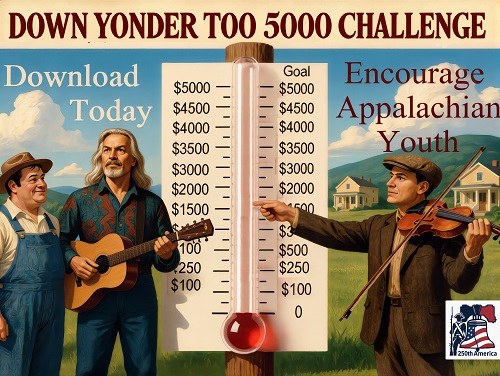
In celebration of the release, Franks and the Share America Foundation are launching the 5,000 Download Challenge, inviting fans to help fund Appalachian music scholarships by supporting the single on digital platforms.
An accompanying documentary, directed by Franks, will further explore the legacy of Doodle and the Golden River Grass through archival footage, interviews, and performances.
The uniqueness of the American Folk Songbook lies in its ability to incorporate tunes from every facet of the American experience and re-imagine them into new settings where the songs seem to have always been there. “Down Yonder” was a tune that permeated from fiddler to fiddler and musician to musician, starting as vaudeville number penned by Tin Pan Alley songwriter L. Wolfe Gilbert. It was introduced in 1921 at the Orpheum Theater in New Orleans and recorded early on with vocals by the Peerless Quartet and Ernest Hare & Billy Jones. It became an instrumental staple in the early fiddle bands of Appalachia and the South, such as the Scottdale String Band and Gid Tanner & His Skillet Lickers. Gordon Tanner’s 1934 performance with his father Gid and the Skillet Lickers became a million-seller, earning gold disc status and cementing the tune’s place in country music history. Ragtime pianist Del Wood gave it a newfound audience in 1951; her lively honky-tonk instrumental spent 25 weeks on the Billboard pop charts, peaking at #4, and sold over a million copies, earning her widespread fame and a long-running spot on the Grand Ole Opry. Bluegrass, folk, and country musicians continue to foster the tune, sharing it in recordings, jam sessions, and concerts to this day. Adding to its rich story for the Skillet Lickers Centennial, a fresh chapter unfolds with “Down Yonder Too”—a new version by Doodle and the Golden River Grass featuring The Skillet Lickers (with Paul Puckett), Dom Flemons, Randall Franks, Jim Lauderdale, and Ketch Secor. This collaborative recording includes brand-new lyrics penned by Franks and performed by Randall and Jim, blending the tune’s timeless spirit with contemporary voices to honor the legacy while raising funds for Appalachian music scholarships through the charity album A Zippedy Doodle Day : American Folk Songs.
01)–Doodle and the Golden River Grass & Randall Franks –Down Yonder Too(4:22)
Featuring The Skillet Lickers with Paul Puckett, Dom Flemons, Jim Lauderdale, and Ketch Secor
Share America Foundation, Inc. – Crimson Records
Featured Perfomers:
The Skillet Lickers: Vocals,
(Phil Tanner – Guitar and Russ Tanner – Fiddle)
Dom Flemons: Jug
Randall Franks: Vocals, Fiddle
Jim Lauderdale: Vocals
Paul Puckett: Guitar
Ketch Secor: Fiddle
Doodle and the Golden River Grass:
Doodle Thrower: Harmonica and Vocals
James Watson: Clawhammer Banjo
Gene Daniell: Acoustic Bass
Wesley Clackum: Acoustic Guitar and Vocals
Randall Franks: Fiddle
About Doodle and the Golden River Grass
Doodle and the Golden River Grass was an Appalachian folk and fiddle band formed in 1963 in Tallapoosa, Georgia, celebrated for their upbeat square dance tunes, comedy, and appearances at events like the 1982 World’s Fair and PBS specials. Led by John “Doodle” Thrower (1929-1994) on harmonica, the band featured members such as James Watson (1935-2017) on clawhammer banjo, C.J. Clackum on guitar, Wesley Clackum on guitar and mandolin, Gene Daniell on bass, Lynn Elliott on guitar, Steve Hesterlee on banjo, and fiddlers including Seals Hicks, Bill Kee, Paul Wallace, Jerry Wesley, and Randall Franks.
Their music was released on 17 albums and were described by folklorist Alan Lomax as “mountain music in overdrive,” preserving Georgia’s fiddle band tradition. No dedicated website exists, but they are featured extensively on www.randallfranks.com/A-Zippedy-Doodle-Day/ .
About Randall Franks
Randall Franks is an award-winning bluegrass, Americana, and country musician, fiddler, actor, and philanthropist best known for his role as Officer Randy Goode on the TV series In the Heat of the Night. With a career spanning over 48 years, he has released 26 albums, and been inducted into multiple music halls of fame and is honored as an International Bluegrass Music Hall of Fame and Museum Legend. Franks is dedicated to preserving Appalachian musical heritage through his work with the Share America Foundation, supporting scholarships for young musicians. Website: www.randallfranks.com.
About The Skillet Lickers
The Skillet Lickers are a groundbreaking old-time string band formed in 1926 in Georgia, renowned for their energetic recordings and influence on early country music, including hits like “Down Yonder.” The original 1926 members included Gid Tanner (fiddle and vocals), Riley Puckett (guitar and vocals), Clayton McMichen (fiddle), and Fate Norris (banjo and harmonica), with later additions such as Bert Layne (fiddle), Lowe Stokes (fiddle), and Ted Hawkins (mandolin). The band’s legacy spans generations, and current members include Phil Tanner, Russ Tanner (both fiddlers and descendants of Gid Tanner), Joel Aderhold, Brian Stephens, and Brian Morgan who continue performing traditional string band music. The group is planning many special events marking its Centennial Year.
Phil Tanner (Third Generation Skillet Licker, grandson of Gid Tanner)
Phil Tanner
“I think there were a lot of the same qualities in both bands – The Skillet Lickers and Doodle and the Golden River Grass. A lot of rambunctious, joyful music that wanted to make people want to dance and laugh and have a good time. One thing I remember about Doodle is he gave a lot of recognition to my grandfather – Gid. He said he was a big influence on his style. It may have been because my grandfather was a comedian more or less – an entertainer. Doodle was just that. He was an entertainer.”
Russ Tanner
Russ Tanner (Fourth Generation Skillet Licker, whose grandfather Gordon fiddled Down Yonder on the multi million seller from 1934)
“What made (The Skillet Lickers) stand out is a lot of times you had two, maybe three fiddles in there. They just had a different approach from a lot of folks you listened to. With two or three fiddles, they played pretty free and wild and open. You got the impression they were all around the mic having a great time. They really were.”
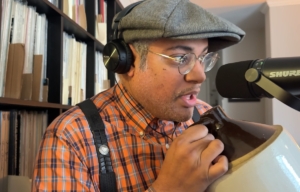
About Dom Flemons
Dom Flemons, dubbed “The American Songster,” is a multi-instrumentalist, songwriter, and music historian specializing in old-time folk, Piedmont blues, and African-American musical traditions, with expertise on banjo, guitar, harmonica, bones, quills, and more. A founding member of the Grammy-winning Carolina Chocolate Drops, he has released solo albums like Black Cowboys (a Smithsonian artifact) and earned multiple Grammy and Emmy nominations for his scholarly and performative work preserving American roots music.
“When playing “Down Yonder” I decided to add the sound of the stone mason jug to
Dom Flemons
the occasion. While at times it has been seen as a novelty, the jug draws upon a vibrant tradition that spans from the early African American jug bands that emerged in the early 20th going up the Mississippi River from Memphis and Kentucky up to Cincinnati, Illinois and Iowa to numerous mountain music and country and western groups from all over the South. Jug bands have also survived up to the present through the jug bands of the sixties who would take it into the rock ‘n’ roll era and beyond. A tune like “Down Yonder” gives plenty of space for the sound the jug to “fall in” and join the free form polyphonic syncopation and improvisation that defines the type of string band music that folks have loved for generations. When I heard Phil Tanner of the Skillet Lickers say, “Let’s Go Down Yonder”, I dug in my heels and let ‘er go. Thanks so much to Randall Franks for having me be a part of those wonderful and I hope everyone will enjoy the good cheer created by Doodle and the band!“
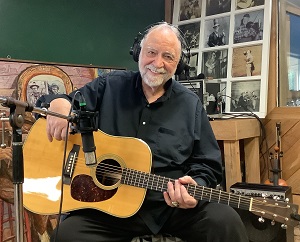
About Jim Lauderdale
Jim Lauderdale is a prolific Grammy-winning singer-songwriter and musician in country, bluegrass, and Americana, with over 31 studio albums released since 1986 and songwriting credits for artists like George Strait and Patty Loveless. Born in North Carolina, he has been a key figure in the Americana music scene, hosting the Americana Music Awards and blending roots influences in his work. Lauderdale’s career highlights include collaborations across genres and a reputation as “Mr. Americana.” Website: www.jimlauderdalemusic.com.
Jim Lauderdale (Two-time GRAMMY Winner)
Jim Lauderdale
Jim Lauderdale said he was really impressed by the music of Doodle and the Golden River Grass and the unique harmonica stylings of Doodle – “It is really hard to play that single note harmonica style and Doodle could really Ace it.”
“This old timey style is really going back to the roots. I guess first popularized on the Bristol sessions and today it still influences so many people,” Jim Lauderdale said. “You can see where bluegrass came from which led to so many other things. It’s a real honor to be part of this project. This kind of music needs to stay out there – vibrant and alive and I think this is going to help that.”
About Paul Puckett
Paul Puckett is a country musician who performed on banjo and guitar beginning in the late 1960s. Paul Puckett and the Dixie Blues opened for artists such as Loretta Lynn, Conway Twitty, Jerry Lee Lewis. Merle Haggard, Roy Drusky, the Osborne Brothers, and Hank Williams, Jr. While serving in the U.S. Army, Paul and his wife Joni Puckett performed on the Ed Sullivan Show Armed Forces Music Festival with Roy Clark and Jeannie C. Riley, and made appearances with Country Gentlemen and others.
He found success with his band for many years in hotels and restaurants in
Virginia, Washington, D.C., Maryland and Georgia, often partnering with his wife and talents such as Speedy Price. Oftentimes his shows included regular celebrity attendees such as
actors Robert Goulet, Ken Berry, Donald O’Connor, athlete Pete Rose and producer Hal Needham.
Musician Jack Eubanks produced his 1974 album “Riders in the Sky” on TAD Records including musicians Willie Rainsford, Leo Jackson and D.J. Fontana. Paul is recognized for his contributions to the genre and was inducted into the Atlanta Country Music Hall of Fame in 2007. He performed on the initial Atlanta Country Hall of Fame Awards presenting Riley Puckett’s induction to his widow Blanche.
Paul Puckett (Country Singer)
Paul Puckett said growing up in Georgia as a musical Puckett always led to questions about Skillet Licker star Riley Puckett.
“Riley Puckett was one of the very early stars of country music who started in 1922 on WSB radio, he said. “Riley, Gid Tanner, Fiddlin’ John Carson were some outstanding members of the music world. I have been interested in Georgia fiddle music ever since the early 1960s when bluegrass festivals were beginning in the South.”
He added one of his greatest honors was inducting Riley into the Atlanta Country Music Hall of Fame and presenting the honor to his widow – Blanche in 1982.
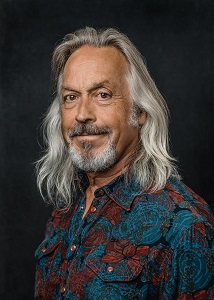
About Ketch Secor
Ketch Secor is a Grammy-winning singer, songwriter, and multi-instrumentalist best known as the founder and front man of Old Crow Medicine Show since 1998, co-writing hits like the double-platinum “Wagon Wheel” and helping pioneer the Americana revival. His work spans high-energy performances blending folk, bluegrass, and country, and he is also a children’s author, music educator, and advocate for arts programs. Secor was inducted into the Grand Ole Opry with his band in 2013. Website: www.ketchsecor.com (band website: www.crowmedicine.com). Recorded by Morgan Jahnig at Hartland Studios, Nashville, TN
Ketch Secor
Ketch Secor of the Old Crow Medicine Show (Grand Ole Opry Star and GRAMMY Winner)
“I just love Georgia fiddle music. It’s the best especially those great fiddlers from The Skillet Lickers and all that great North Georgia long bow style. There’s nothing finer – old Gid Tanner, Fate Norris and all the rest.”
About Share America Foundation, Inc.
The Share America Foundation, Inc., founded in 2006 by Randall Franks, is a 501(c)(3) nonprofit organization dedicated to preserving Appalachian musical heritage and supporting young artists through scholarships and educational programs. It’s board members include Chairman Gary Knowles, Vice Chairman John Brinsfield, Secretary James Pelt, Vice President Jerry Robinson, Sr. and President Randall Franks
We will share details of other classic folk songs as each is completed. Stay tuned for updates on this growing American Songbook contribution at A Zippedy Doodle Day!
Thank you to 2911 Media and Scott Sexton for being a great part of this adventure in American Music
From A Century of Strings: Randall Franks and an All-Star Cast Bridge Generations on “Down Yonder Too” By Christian Lamitschka for Country Music News International Magazine
Preserving the “Soul” of Appalachia
The arrangement is a dizzying, delightful mix of fiddle, harmonica, banjo, jug, and rich vocal harmonies. It captures that “Skillet Lickers” spirit—unrefined, rowdy, and technically brilliant—while layering in contemporary performances that breathe fresh air into the timeless Georgia melody.
This project is about much more than just a catchy fiddle tune. It is the centerpiece of a broader mission to honor the memory of John “Doodle” Thrower (1929–1994). Doodle and his band were staples of American folk culture, appearing everywhere from PBS specials to the 1982 World’s Fair.
“Down Yonder Too” is a rare piece of media that succeeds as both entertainment and education. It’s rowdy, it’s sentimental, and it’s deeply rooted in the red clay of Georgia. For anyone who appreciates the history of the fiddle or the grit of traditional string bands, this track is an essential listen.
With their help these are some of the international outlets spreading the word that we’ve learned about:
https://randallfranks.com/wp-content/uploads/2026/04/APD-Down-Yonder-Too-Adds-Banner-1-with-Support.jpg225630Randall Frankshttps://randallfranks.com/wp-content/uploads/2015/12/r-franks-logo-1.pngRandall Franks2026-04-09 06:00:122026-10-12 00:14:36Randall Franks’s A Zippedy Doodle Day : Down Yonder Too
John Donne wrote, centuries ago, “No man is an island.”
Sometimes I catch myself living as though I were one anyway.
If we are lucky we surround ourselves with family, friends, and acquaintances. Yet how often do we truly belong to one another? Some of us seldom leave the self-imposed exile of our personal islands long enough to share a sunset, a walk on the beach, or the sight of a kite snapping in the sea breeze.
When I stand before the mirror, the man looking back at me is no longer the little boy who once stood there. I wonder: Did the choices I made widen his world, or did they simply add another layer of sand to the shoreline of his isolation? Have I built bridges to the mainland, or have I merely reinforced the water around me?
Life has a way of answering that question when we least expect it. A note arrives, a memory surfaces, a few words on a screen remind us that Donne was right: no matter how isolated we try to become, we remain part of the main.
Years ago the connections came by letter and long phone calls. Today our islands come equipped with an umbilical cord called the internet. I can scroll through the status updates of hundreds of “friends” without ever speaking to a soul. The illusion of connection is effortless — and sometimes genuinely helpful. Not long ago a childhood friend posted a simple message wishing to right some old, perceived wrongs and wipe the slate clean. In minutes we were talking again after decades of silence.
So the technology can build bridges. But it can also keep us staring at screens instead of looking into one another’s faces. We trade handshakes for heart emojis, shared laughter for shared posts. That is a tremendous loss.
In the end, friends — real, present, flesh-and-blood friends — are what pull us off our islands and onto the continent Donne described. Their lasting effect is not measured in likes or follows. It is measured in the simple, irreplaceable moments when we stand together on the same patch of sand, watching the same kite dance against the sky.
Read more from Randall Franks in his Encouragers book series.
https://randallfranks.com/wp-content/uploads/2026/02/Southern-Style-HEADER2.jpg300691Randall Frankshttps://randallfranks.com/wp-content/uploads/2015/12/r-franks-logo-1.pngRandall Franks2026-04-08 06:00:382026-04-08 08:51:21No man is an island: The lasting effect of friends
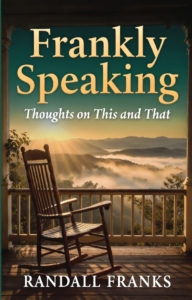
Step onto a sunlit Southern porch and settle into a rocking chair overlooking misty Georgia mountains at golden sunrise.
In Frankly Speaking: Thoughts on This and That, Randall Franks — one of America’s favorite TV cops (“Officer Randy Goode” from In the Heat of the Night) and beloved country entertainer — shares warm, encouraging columns on life’s simple joys, fading traditions, family bonds, civility, faith, and modern wonders.
With Southern charm, gentle humor, and timeless wisdom drawn from his Appalachian roots and star-studded career, these reflective essays remind us to slow down, lift burdens, cherish memories, and find hope in the everyday. Beautifully illustrated and paired with inspiring scriptures, this collection is perfect for anyone seeking wholesome inspiration, nostalgia, and heartfelt encouragement.
The 204-page soft-cover includes 53 columns, 31 personal photos (many never seen before), 21 original Americana illustrations, and 31 Bible scriptures (KJV).
https://randallfranks.com/wp-content/uploads/2026/04/Website-Banner.jpg295693Randall Frankshttps://randallfranks.com/wp-content/uploads/2015/12/r-franks-logo-1.pngRandall Franks2026-04-05 21:33:262026-06-03 20:18:49Frankly Speaking : Thoughts on This and That
I can still remember standing in the doorway of the kitchen as a young boy, watching my mother tackle one business project after another from the kitchen table which served as he desk. She moved with purpose and quiet intensity—papers spread across the table, phone pressed to her ear, always thinking several steps ahead. The moment she completed one task, she would barely pause before saying with renewed energy, “What’s Next?”
In many respects, that simple question has shaped my entire life and career. I finish one task, complete one project, or reach a significant goal, then almost immediately refocus my attention on whatever challenge or opportunity lies ahead.
By moving steadily from endeavor to endeavor while always keeping our eyes fixed forward, we can achieve far more than we ever thought possible. Success becomes less a final destination and more a series of stepping stones leading to something greater.
Many people, however, choose to rest upon the completion of their objectives. They spend days, weeks, or even longer looking back, reliving and recounting their victories. Celebration and gratitude are healthy and necessary—but only if they remain a moment, not a lifestyle. It’s remarkably easy to let past successes quietly erode our forward momentum. We become emotionally attached to the ways we’ve always done things, much like a runner who keeps glancing back at the competitors instead of focusing on the finish line ahead. Markets evolve. Technology advances. Customer needs and expectations shift. Without the discipline to keep asking “What’s Next?”, it’s all too easy to become stagnant.
What’s Next?
The answer might be: I need to honestly re-evaluate why the latest project did not surpass the success of an earlier one. What lessons went unlearned? Where did complacency creep in? This kind of fearless reflection turns yesterday’s results into tomorrow’s fuel.
What’s Next?
The answer might be: I should chart a bold new path—one that brings us closer to achieving a goal we never even dared to imagine possible. One that stretches our capabilities and inspires everyone around us.
What’s Next?
The answer might be: I simply need to pause each evening and ask myself the same question my mother lived by, then take one small step in that direction.
God grants each of us the ability to imagine it, the will to strive toward it, and the hope to achieve it. The real question is whether we will have the courage to keep asking, even when the path feels uncertain.
I pray that your “it”—whatever goal or calling stirs in your heart right now—enlightens, emboldens, and uplifts the world, and that it gives fresh courage to all of us who continue to wonder, “What’s Next?”
https://randallfranks.com/wp-content/uploads/2026/02/Southern-Style-HEADER2.jpg300691Randall Frankshttps://randallfranks.com/wp-content/uploads/2015/12/r-franks-logo-1.pngRandall Franks2026-04-01 06:00:152026-04-01 09:46:12What’s Next? A Question Fuels a Lifetime of Achievement


 Much of my first fishing adventure had been spent simply trying to get the worm-baited hook into the water. My childhood attempts at fishing with my dad, especially early on, often mirrored the classic episode of The Andy Griffith Show in which Howard Sprague spends more time with his hook caught in a tree—or his own pants—than in the water.
 One of the greatest motivating forces in wartime is the stories of fellow countrymen who suffer at the hands of the enemy. My 6th great-grandparents, Giles and Elizabeth Parman, lived such a story—one deeply interwoven with one of the Revolutionary War’s most devastating frontier defeats.



 Puckett.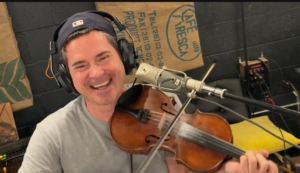




 I can still remember standing in the doorway of the kitchen as a young boy, watching my mother tackle one business project after another from the kitchen table which served as he desk. She moved with purpose and quiet intensity—papers spread across the table, phone pressed to her ear, always thinking several steps ahead. The moment she completed one task, she would barely pause before saying with renewed energy, “What’s Next?”


