

Seeing Through The Masks We Wear
Have you ever wondered what lies beyond the face someone is showing you? Are there thoughts running through their head that differ from the words coming out of their mouth or the expression on their face?
There is probably not a soul on earth who has not faced a situation in which someone they respected or liked revealed themselves as someone other than expected.
In a recent small-group Bible study I attended, we discussed how, in the South, it is not unusual to encounter someone who is so sweet and caring, with an amazing ability to turn a phrase, adding “Bless their heart” to deliver a socially acceptable put-down. Others will often smile—or sometimes roll their eyes—if they catch it.
As an actor, I understand that we all wear masks. We begin creating them in childhood to gain acceptance, love, and friendship from our parents, friends, and teachers. Over time we add more of them to help us succeed, get along, and improve our relationships. By a certain point in life we have them for nearly every occasion, almost like the clothes we wear: the spouse or loved-one mask, the parent mask, the close-family mask, the distant-kin mask, the work mask, the club mask, the church mask, the close-friend mask, the acquaintance mask, the professional-peer mask, the classmate mask—and the list goes on.

We are so practiced at keeping them handy that we can change masks mid-conversation if the situation requires it, depending on whom we are with.
The thickness of the mask depends on how much we want the people around us to really know us. The goal is often to wear the thickest mask with strangers and acquaintances, thinning it as relationships grow closer so that, ideally, our true heart can be seen more clearly.
When dating, we often begin with the thickest mask, hoping that as we gradually put on thinner ones our partner will remember the best foot we put forward and forgive what we are really like. In many respects, I think this works against the process of genuine connection, yet the pattern is repeated over and over by each new hopeful seeking a soul mate.
As I have traveled through life, I have watched some of the greatest interpreters of the human condition for film and television. Watching them peel away their own mask and put on someone else’s for a role was an amazing learning process. Through the years, it has given me insight into the underlying intentions of the people I meet and come to know. I have found comfort in knowing that, at least in my experience, you can generally tell when someone is earnest and honest in their deeds and words.
I am still surprised sometimes, though—often when I have not looked closely enough at the wrapping to see beneath the mask and realize that what lies there truly deserves to be hidden from the rest of the world. If we saw it, we would only want to turn away. At times there are those who pose with a smile, then slyly berate another or try to tear them down to elevate their own standing.
I wish I could say that people like this don’t exist, but unfortunately they do. These days, most bad folks don’t even bother to put a mask on except when they are trying to evade being caught.
But the neat thing is, at least from my experience, more good folks are revealed when they remove their mask than bad ones. I pray you are one of the good folks, no matter which mask you are wearing, and I hope you always use your masks to uplift and encourage others.
Read more of Randall’s work in his books in our Store.

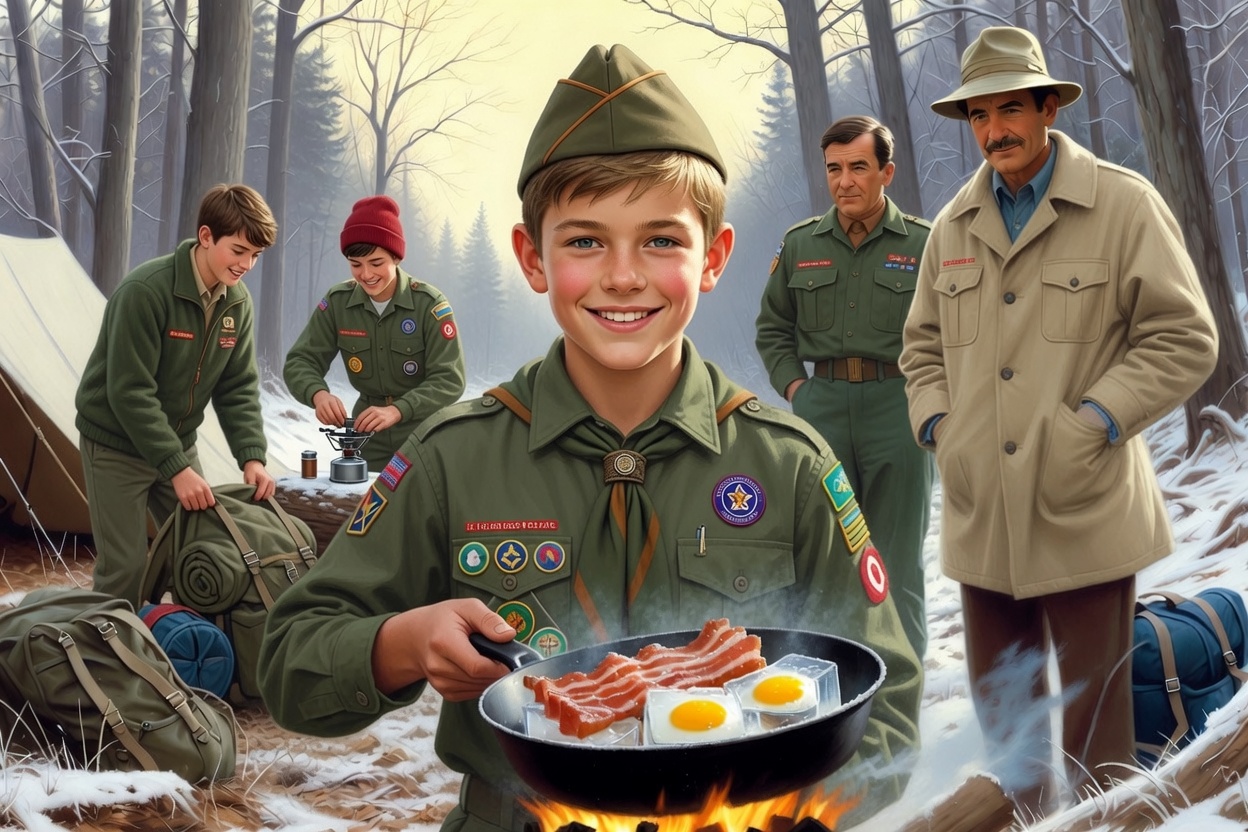

 Recently, while headed to Smithville, my reliable old Explorer decided it wasn’t going to make the trip—about halfway there. On a holiday weekend, I found myself sitting on the side of the highway in over 100-degree heat, trying to figure out what to do next. After about 40 minutes, I arranged for a wrecker service from back home to tow the vehicle to a local garage. A good friend then dropped everything to drive me to the airport so I could rent a car. After loading my belongings into the rental, I went home, changed out of my sweat-drenched clothes, and got back on the road. I arrived only five hours later than I had originally planned.
 Sometimes the push is more domestic. It might be tackling that long-undone project around the house — the one that has quietly become part of the scenery. For me, it’s the growing piles that gather dust: materials waiting to be organized into scrapbooks, old mail that needs shredding, work papers that still require filing, and the miscellaneous accumulation of years that somehow never quite gets addressed. Each time I chip away at one small corner of it, I feel the satisfying click of momentum.
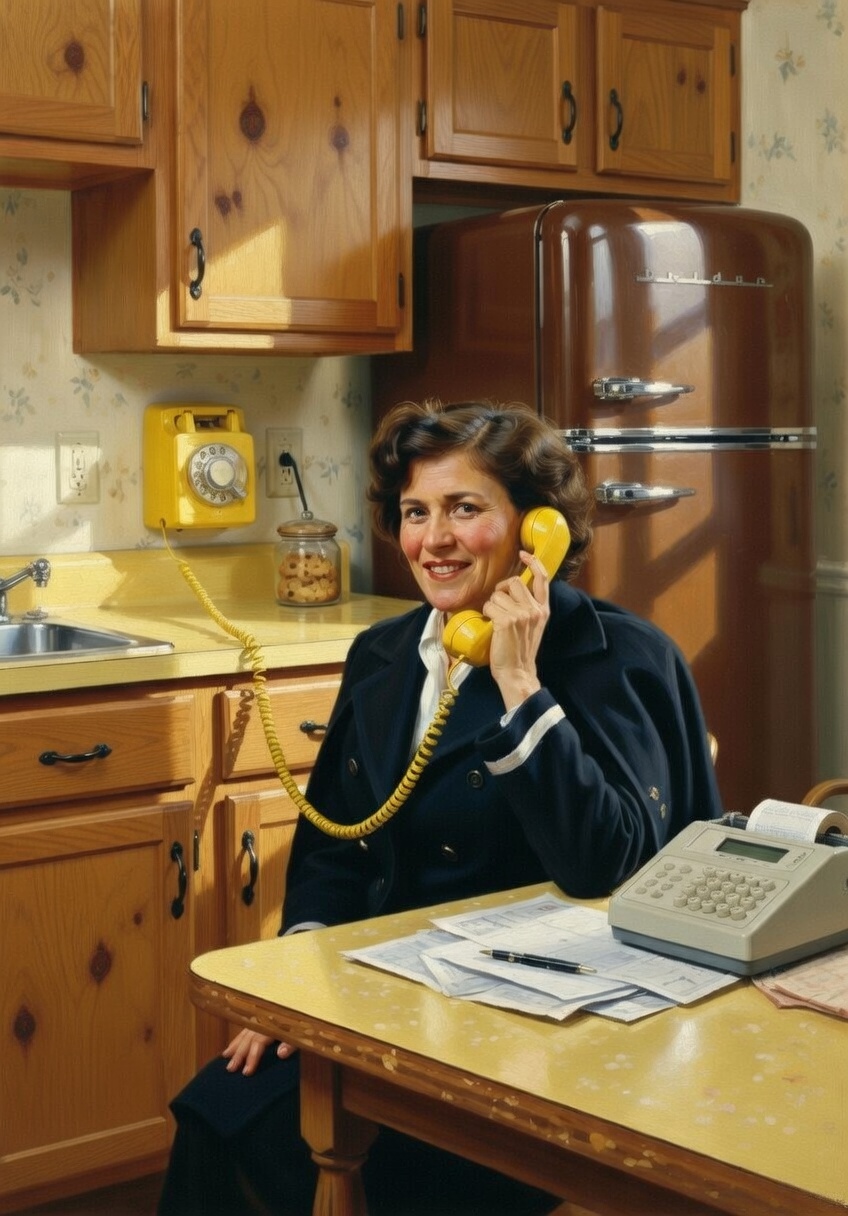 I can still remember standing in the doorway of the kitchen as a young boy, watching my mother tackle one business project after another from the kitchen table which served as he desk. She moved with purpose and quiet intensity—papers spread across the table, phone pressed to her ear, always thinking several steps ahead. The moment she completed one task, she would barely pause before saying with renewed energy, “What’s Next?”


