

Edward Uptegrove: A Virginia Patriot Story
Among the earliest German settlers in Pennsylvania were a Mennonite group known as the “Original 13” families. This included three brothers—Derick (Dirk), Herman, and Abraham Op den Graeff—who arrived aboard the ship Concord on October 6, 1683. They helped found Germantown (now part of Philadelphia) and, in 1688, signed the Germantown Quaker Petition Against Slavery—the first organized religious protest against slavery in the colonies.
It was Isaac Vanbibber Op Den Graeff’s son, Edward Uptegrove (also spelled Updegrove or similar), who was born around 1739 in Pennsylvania. He married Sarah Lewis, and together they had at least six to eleven children, including Isaac Uptegrove (1761–1817); Susanna/Susannah Uptegrove (1760–1840), who married Benjamin Melton in Albemarle County in 1787; Hannah Uptegrove (1770–1854), who married Elisha Collins in Albemarle in 1794; Solomon Updegrove; and others who later simplified the surname to “Groves” after moving to North Carolina.
In the mid-to-late 1760s, the young family migrated to Albemarle County, Virginia—a rapidly developing Piedmont frontier region of rolling hills and fertile river valleys. Still largely rural and agricultural, the county was transitioning from wilderness clearings to established plantations and small settlements, with Charlottesville emerging as its new courthouse village.
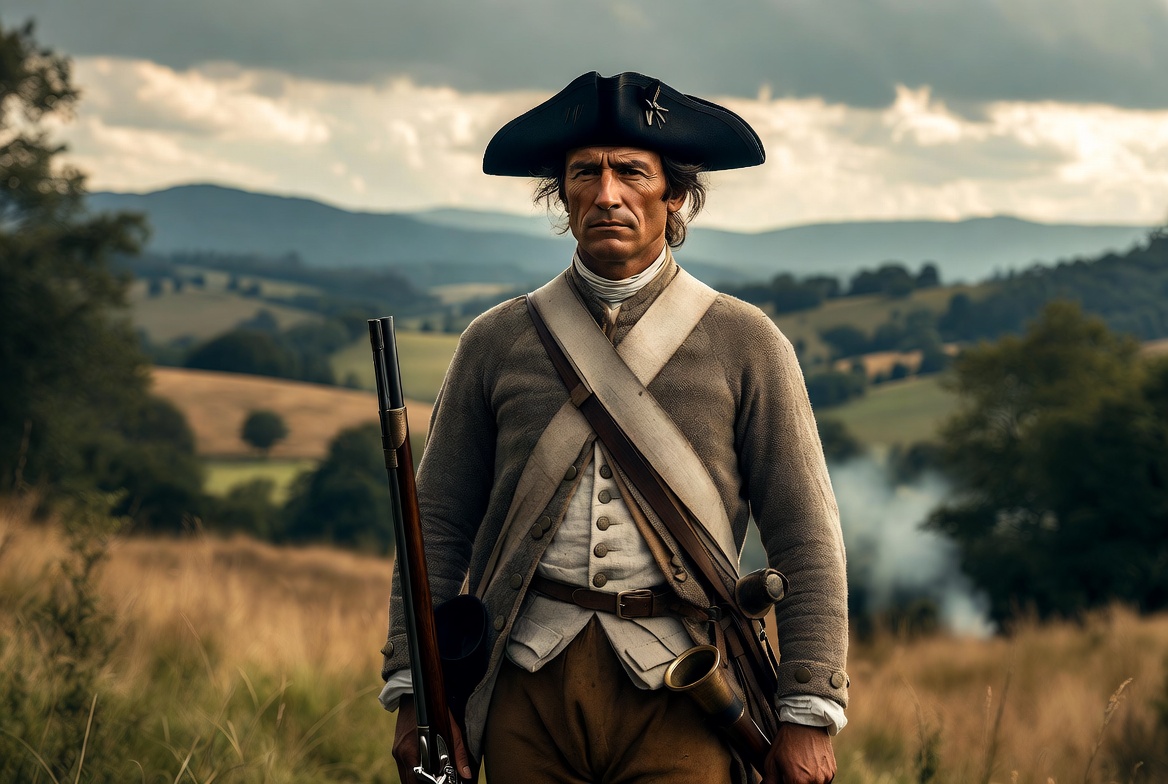
As murmurings of revolution grew, local leaders—including a young Thomas Jefferson—organized resistance. In 1774, Albemarle County held meetings opposing British policies. In spring 1775, following the Gunpowder Incident (when Virginia’s royal governor Lord Dunmore seized colonial gunpowder in Williamsburg), the county formed an Independent Company of militia. Roughly 155 volunteers (later growing to nearly 300) marched toward Williamsburg to demand the powder’s return or compensation, though they turned back before any major confrontation.
Local men also enlisted in Virginia Continental regiments, such as the 14th Virginia, which fought in major northern campaigns like Brandywine and Germantown. The county supplied recruits, provisions, and militia musters. Edward likely first felt the Revolution through committee activities and musters in the mid-1770s, with demands increasing by the late 1770s.The war arrived physically in 1778–1779 with the transfer of thousands of British and German (Hessian) prisoners captured at Saratoga. Starting in early 1779, the Albemarle Barracks (near Charlottesville along what is now Barracks Road) housed up to about 4,000 prisoners. This placed a tremendous logistical burden on the rural county, bringing economic activity, security concerns, escapes, and constant interactions with the community as locals supplied food and guards.
Benedict Arnold’s British invasion of Virginia in late 1780 prompted the Virginia legislature to relocate temporarily to Charlottesville for safety. The county remained relatively quiet on the battlefield until June 1781, when Banastre Tarleton’s raiders struck Charlottesville itself, aiming to capture the legislature and Governor Jefferson. The raid brought direct combat, property damage, and chaos—partially thwarted by Jack Jouett’s famous nighttime ride.
At the height of Virginia’s crisis, Edward stepped away from raising his young family to answer the call. As a private in the Albemarle County militia in 1781, he joined thousands of everyday Virginians who shouldered muskets to defend their homes. That pivotal year, traitor Benedict Arnold’s forces torched Richmond, while “Bloody Ban” Tarleton’s cavalry threatened the heart of Albemarle. Local militia scrambled to protect families, supplies, and the prisoner barracks while supporting the broader campaign that funneled British troops toward Yorktown.
Though no single battle bears Uptegrove’s name, his service embodied the quiet resolve of local defenders whose vigilance helped secure victory at Yorktown in October 1781. He returned to civilian life but died by 1785, leaving a patriot legacy recognized by the Daughters of the American Revolution (Ancestor #A117995).Uptegrove’s story reminds us that the Revolution was won not only on famous battlefields but also in county militias across the land. His descendants spread across the frontier, carrying pride in Edward’s service and instilling that commitment to country in generations to come.
Edward Uptegrove is Randall’s maternal 6th Great Grandfather.
Read more of Randall’s writing in his books from his Store.



