New music is like opening a present

Opening new music is like unwrapping a present—you never know what delights await, but in bluegrass, it’s often a blend of tradition and fresh energy. Two recent projects exemplify this: Junior Sisk’s lively It’s All Fun and Games and Shawn Camp’s upcoming tribute The Ghost of Sis Draper. Both honor the genre’s roots while delivering something new for today’s listeners. Out now since July 18, It’s All Fun and Games is the latest from award-winning bluegrass artist Junior Sisk, available on all major digital platforms via Turnberry Records.
It showcases his signature traditional voice with powerful vocals, tight instrumentation, and a mix of humor, heartbreak, and heritage. The 11 tracks feature talents like Heather Berry Mabe, Tony Mabe, Johnathan Dillon, and Curt Love, building on the success of pre-release singles “Sweeter Than Tupelo Honey” and “Where Love Goes to Die.” This album is poised to be one of Sisk’s most acclaimed yet.
“Creating a new recording is always a challenge, and naturally, it starts with the songs,” says Sisk. “I’ve been blessed through the years to have some very talented songwriters to call on. As always, I try to stick to my traditional bluegrass roots while making a song sound new and current for today’s listeners. I’ve recently been interested in finding old country tunes and reviving them in my own voice.
“I’m excited to have been able to co-write several original tunes with songwriting greats such as my dad, David Stewart, and Jerry Salley,” he adds. “I have some extremely talented musicians by my side who always take the songs to the next level with their creative work. The goal is to create a project that makes us happy as artists—and hopefully, the fans enjoy what we’ve created as well. Happy listening, folks.”
Grab a CD at juniorsisk.com.
Meanwhile, another bluegrass torchbearer, GRAMMY-winning producer and songwriter Shawn Camp—of The Earls of Leicester fame—is set to release The Ghost of Sis Draper on September 12 via Truly Handmade Records.

This concept album features 10 songs co-written with the late Guy Clark and one solo Clark composition. “This is as much Guy Clark’s album as it is mine,” Camp says.
The project stems from Camp’s childhood legend: At age seven, he met traveling fiddle player Sis Draper at a pickin’ party in Arkansas’ Perry County hills. Years later, while songwriting with Clark in Nashville, Camp shared the story, sparking “Sis Draper” and subsequent tunes like “Magnolia Wind.”
For years, they’d revisit the “Sis” theme when stuck on other ideas.The Ghost of Sis Draper weaves songs tied by characters, narratives, and old-time fiddle tunes. Arkansas fiddle great Tim Crouch revives Draper’s spirit, backed by Mike Bub on bass, Chris Henry on mandolin, Jimmy Stewart on dobro, Cory Walker on banjo, and Camp on guitar and vocals. Recorded in one day at Nashville’s Clement House (formerly The Cowboy Arms Hotel and Recording Spa), it immerses listeners in a sharply drawn world.”
We intentionally wrote songs that fit together,” Camp explains. It’s the definitive close to the Sis Draper saga and a tribute to his friend Clark. “That’s part of my passion for putting it out—to try and keep him alive!” Check it out at shawncamp.com.

Whether it’s Sisk’s fun-loving revival or Camp’s ghostly homage, these albums prove bluegrass remains a gift that keeps giving. Unwrap them soon.

Fading notes of the American songbook

Music has always been a source of respite, offering an escape from daily life, even if just for 3.5 minutes. It weaves a soundtrack into our lives from the moment we grasp its power to touch us. The rhythm, lyrics, and melodies resonate deep within, from the toddler clapping along as a parent teaches a nursery rhyme to the teenager discovering their own musical identity.

As we grow, we develop our tastes, often shaped by friends or refined through personal exploration. In my youth, television, radio, and the occasional film guided my generation toward the sounds that defined us. Pop, Country, Rock and Roll, Jazz, Rhythm and Blues — each of these carried a gospel thread, echoing from church choir of the gospel songs shared from hymnals. Regional styles like bluegrass, folk, and zydeco added richness, while classical and opera spoke to others. These genres fostered connection, sparking dances, concerts, music festivals, and jam sessions, both casual and formal.

For decades, certain tunes became part of the American songbook—melodies and lyrics nearly everyone could hum or sing. These shared anthems united us. But in a short time, new genres emerged, and the way music was delivered fractured. Internet platforms, with their endless choices, segmented audiences by generation, culture, and region. The once-unified musical fabric began to unravel, and the American songbook stopped growing with songs everyone knew. What caused this shift? We may never know, but the days when half the country shared the same musical moments are fading.

As a musical artist, I strive to create music that bridges these divides, just as my friends do. One such artist, Wyatt Ellis, a young talent like I once was, recently released a vibrant single and video, Country Boy Rock and Roll, alongside Trey Hensley. This nod to Don Reno and Red Smiley’s classic blends tradition with fresh energy—a must-listen for anyone craving music that unites: [ https://www.youtube.com/watch?v=Ytp7JEjTLUY .].

Grand Ole Opry star Jan Howard (left) and Jeannie Seely with guest star Randall Franks backstage in Nashville while performing in 1995.

We recently lost a legend who embodied the shared songbook era: Grand Ole Opry star Jeannie Seely, who passed at 85. Since 1966, the Grammy winner performed on the Opry stage more than any other artist. When I first performed there, her kindness lifted me, a gesture she repeated through the years. Jeannie inspired generations of singers, and the outpouring of love online and in the media reflects her impact. As legends like her leave us, we lose pieces of the American soundtrack that shaped our world.

Yet, music endures. What song from your childhood still stirs your soul? Let’s honor our musical heritage by discovering new voices and sharing the melodies that connect us, keeping the American songbook alive for generations to come.

Life’s Fragility and the Path Through Grief

Life can change in an instant—a friend’s sudden passing or a loved one’s terminal diagnosis forces us to confront our fragility. Whether it comes from natural causes, an accident, or intent, death is part of life’s path.

Over time, I have lost parents, relatives, close friends, and acquaintances. Depending on their closeness, the impact on our lives varies.

Recently, I learned my cousin faces a dire cancer diagnosis with no clear medical path forward. In such moments, many of us turn to faith, praying for healing or strength, trusting in God’s plan, whatever the outcome. I have spent time in prayer for him and his family.

As believers, we seek miracles but also recognize healing can come through God’s tools—medicine, healthy habits, or spiritual practices. Caring for our bodies with proper nutrition and exercise strengthens us to face life’s challenges. A longtime actor friend of mine recently received a terminal diagnosis. He approached it by enhancing his already healthy lifestyle, making every effort to overcome it as mentioned above. I recently learned his efforts succeeded; the disease is no longer terminal.

Likewise, feeding our spirits with uplifting words, whether through scripture or inspiring stories, sustains our hope. Yet, even with prayer and effort, we sometimes lose those we love. I’ve been on both sides—praying for others and being prayed for during my own health scares. Each time, God granted me more time, perhaps because my work here isn’t done. But when loved ones leave us, their absence carves a new path we must walk alone.

Grief is personal, unfolding at its own pace. Days or months may pass, but one morning, the pain softens into cherished memories. I still remember the day I emerged from grief after my mother’s death. I found a new lease on life, inspired by her love for me.

We honor those we’ve lost by living fully, carrying their spirit in our hearts. Through faith and resilience, we find a new sunrise—a life that reflects the love they’d want us to share. We hold hope that God walks beside us through life’s darkest valleys. Some writers suggest He carries us through them, and I find great solace in that thought.

Notes: My cousin Shane Bruce mentioned above did pass with his family around him. My acting friend – Jeff Rose – is now sharing about his new lease on life in interviews and online. Find him and be inspired.

America’s Fiddle Legacy – Skillet Lickers’ Chicken House

As I glanced up from the worn linoleum floor, the air thrummed with the pulse of strings. Three fiddlers, two guitarists, and a banjo player surrounded me in their ladder back chairs, their notes weaving a spell that held me captive. I was a young fiddler then, hanging on every phrase from Gordon Tanner, Paul Jordan, and Dallas Burrell, desperate to steal a lick or two to spark my own playing.

In my North Georgia hills, these men were more than musicians—they were torchbearers of a fiddle tradition that helped birth hillbilly music, a sound that echoed from porch swings to the world’s stages. Gordon Tanner’s legacy loomed largest. As a teenager in 1934, he recorded the million-selling “Down Yonder” with his father, Gid Tanner and the Skillet Lickers, a band whose raw, joyful energy defined early country music. Their records, cut in makeshift studios and broadcast through crackling radios, carried Georgia’s red clay soul to listeners far beyond the Appalachians. Gordon’s Gold Record was proof of their reach, a testament to a family that turned fiddles into time machines.

The Skillet Lickers and Paul Puckett add their historic flair with Randall Franks

Last week, I stepped into that history, recording with Gordon’s son, Phil, and grandson, Russ, alongside Paul Puckett in Dacula, Georgia—the Skillet Lickers’ hometown. Our studio was no polished soundstage but the Tanners’ old chicken house, transformed into a shrine of musical heritage. Faded photographs, yellowed posters, and framed 78s lined the walls, each artifact whispering of Tanner legends and others like Fiddlin’ John Carson, Riley Puckett, Clayton McMichen, Lowe Stokes, and Anita Sorrells Mathis. These pioneers dominated Georgia’s music scene in the early 20th century, their bow strokes and guitar runs shaping a sound that flowed through my mentors into my own fingers, like a river carving its path through time.

Though the Skillet Lickers’ commercial peak faded by mid-century, their music never dimmed. It lived on in the hollers and hamlets of the South—at raucous fiddle contests, folk and bluegrass festivals, weathered pickin’ barns, and late-night living room jams where players swapped tunes until dawn.

As a boy, I’d sit cross-legged at these gatherings, my fiddle resting on my knee, watching weathered hands coax magic from strings. Those moments forged my love for the music, passed down not through sheet music but through calloused fingers and shared stories, generation to generation.

Recording in that chicken house felt like stepping into a dream. As Phil, Russ, Paul and I traded notes, our music became a bridge across decades, blending the Skillet Lickers’ fire with band I fiddled for, Doodle and the Golden River Grass. We were laying tracks for “A Zippedy Doodle Day,” a charity album to fund Appalachian music scholarships, uniting Georgia’s first fiddle band with its last. Each pluck and bow stroke was a brushstroke on a rhythmic canvas, painting a sound we hope will resonate for years, just as the Skillet Lickers’ records still stir my soul. The Tanners’ keepsakes—framed record sleeves, a worn fiddles, a concert poster —surrounded us, grounding our work in their legacy. I thought of my younger self, a boy mesmerized by flying bows and rosin dust swirling in the air, dreaming of touching the magic of my heroes. Now, here I was, not just chasing their sound but adding my own notes to their story. It’s a humbling honor, one that carries a responsibility to keep this music alive for the next generation.

The Skillet Lickers’ spirit reminds us that music is more than sound—it’s a living thread, connecting past to present, heart to heart. Our project aims to ensure that thread endures, supporting young musicians who’ll carry the fiddle’s voice forward. In that chicken house, we weren’t just recording; we were keeping a promise to the music that raised us and the people who inspired us. Learn more about the Skillet Lickers at www.SkilletLickers.org. For a preview of our charity project, visit www.RandallFranks.com/A-Zippedy-Doodle-Day

Celebrating Bluegrass Brilliance: 2025 IBMA Awards Preview

The 2025 IBMA Bluegrass Music Awards are fast approaching, and the organization recently unveiled nominees for its awards, Hall of Fame inductees, and Distinguished Achievement Award honorees.

Selected for induction into the Bluegrass Music Hall of Fame were two groups that shaped my formative years: Hot Rize, an innovative Colorado band featuring Pete Wernick (aka Dr. Banjo), Tim O’Brien, Charles Sawtelle, and Nick Forster, known for their 1978–1990 run; The Bluegrass Cardinals, formed by banjoist Don Parmley, his son David, and Randy Graham, who toured extensively from 1974 to 1997; and Arnold Shultz, an African American musician born in 1886 whose influence shaped bluegrass’s roots.

Entertainer of the Year nominees include my friends Alison Krauss & Union Station and The Del McCoury Band, alongside Appalachian Road Show, Billy Strings, and East Nash Grass. Vocal Group of the Year contenders are Alison Krauss & Union Station, Authentic Unlimited, Blue Highway, Sister Sadie, and The Del McCoury Band.

For years, I’ve been honored to direct segments of the IBMA Awards, including the Distinguished Achievement Award. This year, I’m thrilled to celebrate Penny Parsons, a 45-year bluegrass advocate; Missy Raines, the first woman to win IBMA Bass Player of the Year (10 times); “Cuzin’ Al” Knoth, a pioneering California radio host; Ron Thomason of Dry Branch Fire Squad; and Sidley Austin LLP, recognized for supporting bluegrass initiatives.

Among the nominees, I’m especially excited for The Auctioneer by The Kody Norris Show (Video of the Year), Blue Collar Gospel by Jerry Salley featuring The Oak Ridge Boys (Gospel Recording), vocalists Russell Moore and Jaelee Roberts, banjo player Gena Britt, fiddler Maddie Denton, and New Artist Wyatt Ellis. Other categories, like Song of the Year and Album of the Year, and all the various musicians of the year showcase bluegrass’s vibrant talent.

Join us for the 36th Annual IBMA Bluegrass Music Awards, presented by Get It Played, on September 18, 2025, at Chattanooga’s Soldiers and Sailors Memorial Auditorium. The IBMA World of Bluegrass®, September 16–20, includes the Business Conference (Sept. 16–18), Bluegrass Ramble, and Bluegrass Live! (Sept. 19–20). Tickets are on sale at worldofbluegrass.org.

I can’t wait to celebrate bluegrass’s finest in Chattanooga—join me to honor the music America love!

Tilling the Past: Longing for the Land and Loved Ones

For centuries, dedicated men and women have toiled to cultivate crops that sustain life, their labor enriched by nature’s gifts—fish from clear streams, game from dense forests, and wild greens, fruits, nuts, and berries. Fertile land, the backbone of survival, has always been a prize.

Before America’s founding, monarchs granted such land to loyal allies or passed it through noble families, with workers bound to the soil under new lords. Other systems existed, but control over prime land and water often defined power.

Today, that legacy lingers in the sprawling farms we pass on country roads. Driving through America’s heartland recently, I marveled at miles of farmland once alive with rows of corn, beans, tomatoes, okra, and squash, where cattle grazed and chickens scratched the earth. Now, many fields lie quiet, cut for hay or reduced to small gardens near farmhouses. Economic pressures—rising costs, market demands—have pushed families to grow just enough for themselves, no longer feeding neighbors or distant markets. Corporate farms churn out much of what stocks grocery shelves, their scale dwarfing the efforts of traditional farmers. Yet, resilient family farmers endure, raising cattle or crops with grit, their produce often fresher and more wholesome than heavily processed alternatives.

These farms pull me back to childhood summers, when fields burst with life. I can feel the heft of a tote sack as I tugged corn from the stalk, tassels dancing in the breeze, or sliced okra pods with my pocketknife, their prickly skins filling the bag.

Harvest days meant trudging through tomato rows, filling boxes with sun-warmed fruit. At noon, we’d gather under a sprawling oak, spreading tablecloths on the grass. A sharp knife sliced fresh tomatoes, tucked between white bread with salt, pepper, and JFG mayonnaise—a meal so simple, yet rich with the land’s goodness.

By then, our family’s farming was shifting from market crops to self-sufficiency, but I still recall the sweat-soaked days of working for market, each task lightened by shared laughter.

I don’t miss the backbreaking labor, the relentless sun, or the heat. What I crave is the closeness of toiling alongside loved ones, our bond with each other and the land making every effort worthwhile.

May your home—your own patch of earth—yield enough to sustain your family. If it doesn’t, plant a small garden, visit a farmers’ market, or learn where your food comes from. Rediscover the joy of nurturing the land and the community it feeds.

A Zippedy Doodle Day: An Appalachian Musical Legacy


Doodle and the Golden River Grass at 2003 Georgia Music Hall of Fame ExhibitDoodle and the Golden River Grass Georgia Music Hall of Fame Exhibit in 2003. (Photo: Peach Picked Publishing)

A Zippedy Doodle Day: An Appalachian Musical Legacy

Welcome to A Zippedy Doodle Day: An Appalachian Musical Legacy, a historic string band album and documentary, led by Randall Franks, who honors Doodle Thrower and the Golden River Grass. Additionally, funds support scholarships via the Share America Foundation and Appalachian historical preservation. Therefore, join us in this effort!


Quick Link for all information about our debut Single:

Down Yonder Too – A Skillet Licker Centennial


About the Project

Project Overview

Bluegrass and Americana artist/producer Randall Franks is spearheading A Zippedy Doodle Day, a historic string band album and documentary to support Appalachian music scholarships through the Share America Foundation, Inc. and the West Georgia Museum in Tallapoosa, Georgia, the hometown of John “Doodle” Thrower.

Legacy Preservation

The project builds on unreleased tracks from the late 1980s by Doodle and the Golden River Grass, featuring traditional folk recordings. This album, paired with a re-release of the band’s entire catalog, aims to preserve and share their legacy while raising funds for aspiring musicians.

“When we lost Doodle Thrower, we lost one of the cornerstones of original country music. He and his band were truly what country music is all about.” — Marty Stuart, Country Music Hall of Famer

Doodle and the Golden River Grass performing in the 1970s

Doodle and the Golden River Grass in the 1970s

Doodle and the Golden River Grass

John 'Doodle' Thrower portrait

Formed in 1963 as a square dance band in Tallapoosa, Georgia, Doodle and the Golden River Grass became a beloved folk act, known for their comedy, Appalachian folk songs, and upbeat tunes. Recognized as the last of the old-time Georgia fiddle bands, they were a unique part of country music history.

The band featured John “Doodle” Thrower (1929-1994) on harmonica, alongside fiddlers Seals Hicks, Bill Kee, Paul Wallace, Randall Franks, and Jerry Wesley. From the 1970s, James Watson (1935-2017) added clawhammer banjo, with long-running members including C.J. Clackum (guitar), Wesley Clackum (guitar and mandolin), the late Lynn Elliott (guitar), the late Gene Daniell (bass/sound engineer), and Steve Hesterlee (three-finger banjo).

Doodle and the Golden River Grass in 1990

Doodle and the Golden River Grass perform in 1990.

The group performed at prestigious events like the National Folk Festival, National Black Arts Festival, the 1982 World’s Fair, and numerous colleges, bluegrass, and folk festivals. They appeared on network TV, PBS shows like The Appalachian Journey by Alan Lomax, and recorded on 17 albums, including the Grammy-winning Art of Field Recording Vol. 1.

Cultural historian Alan Lomax described Thrower as “a little bit different from anyone we’ve met. He’s of Cornish descent, and he’s not uptight at all,” and the band as “a sort of five-piece Dixieland string band certainly as virtuosic as any gypsy orchestra. And they are playing what I’ve called ‘mountain music in overdrive’.”
Appalachian scholar Loyal Jones acknowledged Thrower in his work Country Music Humorists and Comedians. American folklorist, educator and artist Art Rosenbaum featured him in his visual art and documented the group in several recorded mediums.

A Collaborative Effort

The Skillet Lickers with Randall Franks

Randall Franks (right) joins The Skillet Lickers (Phil & Russ Tanner), center, and Paul Puckett in the studio.

Randall Franks is inviting specific artists from country, bluegrass, and Americana to donate their time to record on these historic tracks, collaborating with studios near the artists for convenience.

Contributors

Bruce Boxleitner adds his voice bringing a western flair to the project.

Western icon Bruce Boxleitner, a National Cowboy & Western Heritage Museum’s Hall of Great Western Performers inductee and two-time Wrangler Award winner, is saddling up for  A Zippedy Doodle Day! Bruce captivated audiences as Luke Macahan in How the West Was Won alongside James Arness to his iconic turn as Alan Bradley/Tron in Disney’s groundbreaking Tron and Tron: Legacy, Bruce has been a household name for decades. He’s battled spies as Lee Stetson in Scarecrow and Mrs. King, commanded the stars as Captain John Sheridan in Babylon 5, and brought comic charm as Billy Montana in The Gambler with Kenny Rogers. Recently, he starred as Ben Watkins in the western Far Haven (2023), proving he’s still a trailblazer. 🐎✨

Banjo star Gena Britt adds her talents at Buck’s Place Recording in Hendersonville.

8-time IBMA Award winner Gena Britt – powerhouse banjo 🪕player, vocalist, and founding member of GRAMMY-nominated Sister Sadie (Mountain Home Music Company) – has joined the star-studded lineup.
Fresh off the release of her acclaimed new solo album Streets, Rivers, Dreams & Heartaches (Mountain Home Music Company), her latest accolade includes sharing the 2025 IBMA Instrumental Recording of the Year for “Ralph’s Banjo Special” with Kristin Scott Benson & Alison Brown.

This 16-year-old bluegrass sensation Wyatt Ellis is bringing his

Wyatt Ellis and producer Randall Franks add vocals at Buck’s Place Recording in Hendersonville.

incredible talents: delivering special lead vocals and hot mandolin pickin’ on select recordings, plus laying down his signature mandolin rhythm across most of the tracks.

He’s also earning major recognition in the bluegrass world: nominated for International Bluegrass Music Association New Artist of the Year (2025), his Wyatt Ellis Band was nominated for IBMA Momentum Band of the Year (2025), and he previously took home the IBMA Momentum Instrumentalist of the Year award. What a rising star!
A regular Grand Ole Opry Guest Star, Wyatt’s also featured in the Country Music Hall of Fame and Museum‘s American Currents exhibit—check out his display there!
Learn more and follow his journey at his official website: https://wyattellis.com

Youth Dante Flores adds three-finger banjo at the Tempermill in Michigan.

Banjo phenom Dante Flores, 14, a multi-instrumentalist from Wixom, Michigan brings his unique flair to the album. He’s shared stages with legends like banjo virtuoso Béla Fleck and guitar wizard Trey Hensley, plus performed at the International Bluegrass Music Association‘s World of Bluegrass as part of IBMA Kids on Bluegrass.

Banjo stylist extraordinaire Daniel Grindstaff has joined the lineup for the album “A

Daniel Grindstaff add his licks at Buck’s Place Recording in Hendersonville.

Zippedy Doodle Day: American Folk Songs”! His masterful banjo skills are sure to bring that authentic Appalachian flair to this celebration of American folk traditions.

Daniel has shared the stage with bluegrass legends such as Jim & Jesse McReynolds, the Osborne Brothers, David Davis & the Warrior River Boys, Marty Raybon, Dolly Parton, and Marty Stuart.
Fresh off his chart-topping hits like “Angel Dream” and “The Death of John Henry” featuring Marty Stuart, Daniel’s latest project: the self-titled album “Daniel Grindstaff & The Uptown Troubadours,” from Bonfire Music Group. Check out more about Daniel Grindstaff Music at his website: www.danielgrindstaff.com 

Marty Hays, a veteran vocalist and bassist who shined on Rounder and Rebel Records over three decades with David Davis and the Warrior  River Boys brings his soulful sound to the project enriching this folk endeavor.

Marty Hays adds vocals at Buck’s Place Recording in Hendersonville near Nashville.

Anthony Howell goes full speed with a bit of banjo at Noxubee Hills Music Group Recording Studio in Mississippi.

As the 2023 National Banjo Champion Anthony Howell and a four-time IBMA Momentum Award nominee for Instrumentalist of the Year, Anthony brings his unique stylings on banjo and come vocals to this Appalachian musical legacy project. He has performed with notable bands including Williamson Branch, the Edgar Loudermilk Band, and most recently joined Seth Mulder & Midnight Run. Follow Anthony for more updates on his music journey at www.facebook.com/p/Anthony-Howell-Music-100048065487181/.

Dale Houston add his vocal stylings at Buck’s Place Recording in Hendersonville

Trevor Holder adds his rolls at Witt Studio in Lafayette.

Banjo virtuoso Trevor Holder joins the stellar lineup. With Trevor’s Reno-style flair and bluegrass chops from The Price Sisters, Cutter & Cash and The Kentucky Grass, and Five Mile Mountain Road, this album and documentary are set to preserve timeless folk tunes like never before. Bluegrass Unlimited heralded him in 2025 as a “Modern Banjo Master” underscoring his rising prominence in the genre.

Country singer Dale Houston heartfelt vocals and traditional country style add a touch of timeless Americana to this collection of folk classics. Fresh off his 2024 album “That’s The Way I Am,” featuring standout tracks and recent nominations for awards like the Josie Music Awards, Dale continues to honor the roots of country music. He has collaborated with country artists such as Lee Newton on “Burning Boats” and David Frizzell on “Lefty, Merle, and Me,” and grew up immersed in the music of legends like Merle Haggard, Vern Gosdin, George Jones, and Conway Twitty. Discover more about Dale at his website:  www.dalehouston.com  

Jim Lauderdale and Randall Franks work in the studio adding his unique vocals to the project.

Adding his amazing vocal talents, two-time Grammy-winning singer-songwriter Jim Lauderdale, host of the Americana Music Awards, has penned hits for icons like George Strait, Patty Loveless, and Vince Gill and was recently inducted into the Nashville Songwriters Hall of Fame. His illustrious career spans over 30 studio albums since 1986, blending country, bluegrass, Americana, soul, and R&B including his latest “Country Super Hits Vol. 2.” Visit his official website: https://www.jimlauderdalemusic.com/ 

Alex Miller records at Buck’s Place Recording near Nashville.

Traditional country singer Alex Miller, Billy Jam Records artist, who skyrocketed to fame on American Idol in 2021 at just 17, brings his soulful voice and masterful guitar pickin’ to the album. With hits like “I’m Over You, So Get Over Me,”  “She Makes Dirt Look Good,” and his recent songs “Oh Odessa,” “Secondhand Smoke,” and “My Appalachian Home.” Alex has proven he’s a force in traditional country.

At Buck’s Place Recording, Robert Montgomery frails his way in A Zippedy Doodle Day.

The 2004 Old-Time Banjo National Champion Robert Montgomery is renowned for his excellent singing and banjo playing, performing with groups like David Davis & the Warrior River Boys and Alan Sibley & The Magnolia Ramblers. His latest release is Ol’ Times Not Forgotten. He joins other top artists to support Appalachian music scholarships and historical preservation. Follow Robert on Facebook: https://www.facebook.com/robertmontgomerymusic .

Kody Norris makes his vocal and musical additions at Buck’s Place Recording in Hendersonville.

Fresh off dominating the awards circuit — including 2024 SPBGMA Entertainer of the Year, 7 total SPBGMA wins, 2025 IBMA Music Video of the Year for “The Auctioneer,” Kody’s personal Guitar Performer of the Year honors, and guest starring appearances on the iconic Grand Ole Opry stage — Rebel Records artist Kody Norris of The Kody Norris Show brings his powerhouse vocals and blistering guitar picking to this collaboration is pure mountain magic in the making! His 2025 album Highfalutin Hillbilly and current single ‘Waitress, Waitress’ — continue to shine in traditional bluegrass!

Ronnie & Justin Reno record at Buck’s Place Recording in Hendersonville.

Bluegrass legend Ronnie Reno, 2016 SPBGMA Preservation Hall of Greats, and his talented son Justin Reno add their authentic Appalachian vibes to our whimsical journey. The son of Don Reno, from Ronnie’s early days performing on The Old Dominion Barndance at age seven to collaborating with giants like Merle Haggard, The Osborne Brothers, and his hit TV show Reno’s Old Time Music (now streaming on Country Road TV), the 2013 IBMA Broadcaster of the Year’s legacy is woven into the heart of American roots music. Joining him is Justin Reno, a gifted guitarist who’s been stepping into the spotlight alongside his dad and with other Nashville bands.

Mike Scott adds his licks at Buck’s Place Recording in Hendersonville near Nashville.

Legendary banjo stylist Mike Scott brings his unmistakable hard-driving three-finger style and vocals to the project, bringing a  50+ year career of entertaining in every state in the US except Hawaii and 54 countries, 450 Grand Ole Opry performances, and playing with Jim & Jesse McReynolds, Carl Story, Vince Gill, Ricky Skaggs, Rhonda Vincent and more.

Opry Star Ketch Secor records for A Zippedy Doodle Day with Morgan Jahnig at Hartland Studios, Nashville, TN.

Grammy-winning Grand Ole Opry star Ketch Secor from the Old Crow Medicine Show brought his flair to a special performance alongside the Skillet Lickers with Paul Puckett! Secor penned the iconic hit “Wagon Wheel” and in 2025, he released his solo album ‘Story the Crow Told Me.’ He is currently hosting the  PBS series “Tennessee Crossroads.”

The project includes contributions from the Skillet Lickers (Phil and Russ Tanner) and Paul Puckett, blending the legacies of Georgia’s first  and last fiddle bands. Learn more at https://SkilletLickers.org/

Ralph Stanley II recording at Hat Creek Studio

Ralph Stanley II adds his artistry for engineer Jim Price at Hat Creek Recording – Jonesborough, TN.

Grammy-winning Ralph Stanley II, an acclaimed Appalachian performer from Virginia also enriches the project with his artistry. Learn more at https://ralph2.com/

Larry Stephenson, a five-time SPBGMA Contemporary Male Vocalist of the Year, Virginia Country Music Hall of Fame inductee, and acclaimed mandolin virtuoso adds his voice to the songbook. Learn more at https://larrystephensonband.com/LSB/

Bluegrass stalwart Larry Stephenson tunes up before adding his special touch at Buck’s Place Recording in Hendersonville.

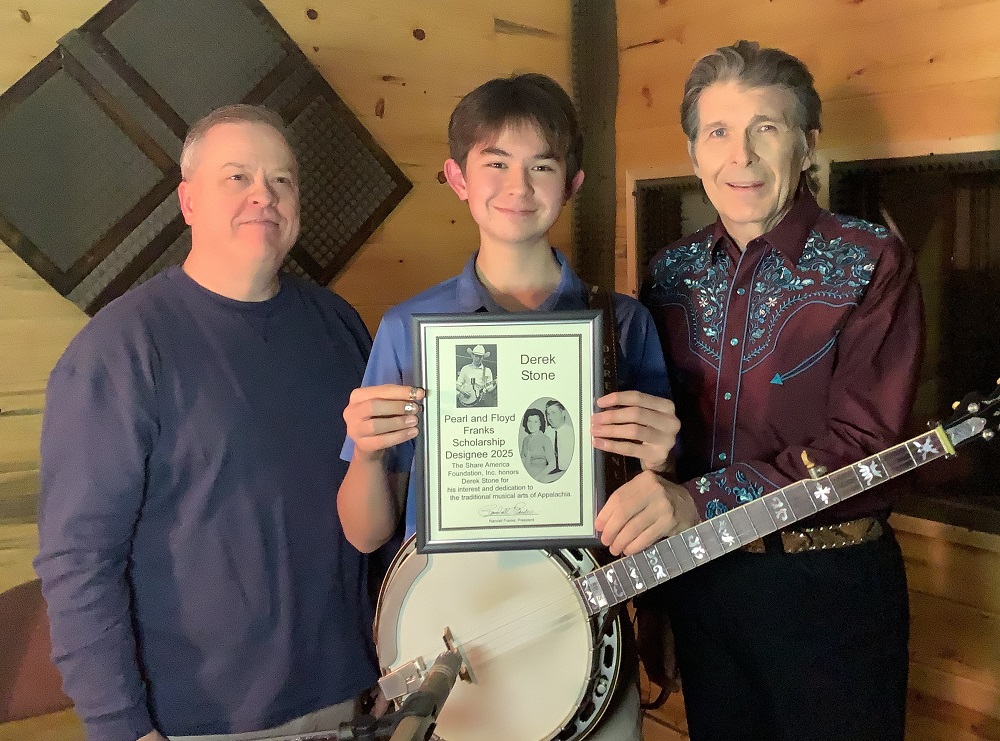
Derek Stone brings an enthusiastic traditional style at Witt Studio in Lafayette.

Youth banjo stylist Derek Stone, 15, adds his approach to the album bringing a Reno style approach to one of the tunes. Derek has racked up impressive wins, including First Place Beginning Banjo, Third Place Adult Banjo (twice), and Third Place in the Bluegrass Band Competition at the Smithville Fiddler’s Jamboree, plus First Place in the Kids’ Band Competition at the Mountain City Fiddler’s Convention. Currently in 10th grade at McCallie School, he’s the banjo player for Carl Towns & Upward Road.

Leroy Troy brings banjo flair at Buck’s Place Recording in Hendersonville.

Leroy Troy is a master of clawhammer banjo, blending old-time music with humor and comedy songs, influenced by legends like Uncle Dave Macon. He brings his unique talents to this charity project encouraging youth with Appalachian Music Scholarships.

Debuting on the Grand Ole Opry in 1988, he won the National Old-Time Banjo Championship in 1996, and shares regular performances with The Tennessee Mafia Jug Band and on The Marty Stuart Show. He made a special appearance on the Grand Ole Opry‘s 100th Anniversary Show.
Check out his band at http://tennesseemafiajugband.com .

With Conner Vlietstra‘s fiddle, guitar, and banjo expertise from The Price Sisters, Five Mile Mountain Road, and The Tennessee Hillbuddies, helps preserve timeless folk tunes like never before. The ETSU graduate is a 2021 Grand Master Fiddle Traditional Champion who has built a reputation for his technical skill and deep roots in Appalachian traditions. Follow Conner on Instagram @connerbullwheatstraw

Conner Vlietstra creates hot licks for A Zippedy Doodle Day at Tim Witt’s Studio in LaFayette.

Other artists working on their additions include Mary Rachel Nalley-Norris, celebrated as Entertainer of the Year and Instrumental Group of the Year wins with The Kody Norris Show, Dale Ann Bradley, a six-time IBMA Female Vocalist of the Year and two-time Grammy nominee

A diverse array of talented artists is lined up, each bringing additional richness and depth to the A Zippedy Doodle Day project.  Some among those planning to join the effort are Tim Atwood, Dom Flemons, Noah Goebel, Trevor Holder,  Lee Newton, Marty Raybon,  Alan Sibley, Margie Singleton, Smith & Wesley,  and Mark Wheeler.


The Songs

The FIRST SINGLE RELEASE IS COMING APRIL 10

on AirPlay Direct for Radio

and for consumers on Amazon and Itunes and April 13 on YouTube and Rumble 

Learn more about the amazing artists and 

Find links, quotes and learn more about Down Yonder Too here…

We will share details of these classic folk songs as each is completed. Stay tuned for updates on this growing American Songbook contribution!

Support the Project

Support image for A Zippedy Doodle Day

Your support can bring A Zippedy Doodle Day to life, preserving Appalachian music and empowering musicians through scholarships. Donate to the Share America Foundation, Inc.

Use this QR Code to Donate!
QR code for donating to A Zippedy Doodle Day

We are working on a CD, DVD, and digital releases. Stay tuned for updates on t-shirts and other merchandise!

The Documentary

A Zippedy Doodle Day : An Appalachian Musical Legacy

Randall Franks, C.J. Clackum and Wesley Clackum film interviews.

Director Randall Franks began collecting interviews for “A Zippedy Doodle Day” documentary in 2017 when he recorded audio from banjo stylist James Watson. It was at this point the surviving band members developed the idea of an anthology of their music for charity. Shortly thereafter, he began video interviews to accompany this release. Among those collected so far are band members Wesley Clackum, C.J. Clackum, Steve Hesterlee and promoter Chuck Langley.

Others who worked with or saw the band are being sought. Some album participants are also contributing significant memories. The University of Georgia Special Collections Library is working with him to include Doodle and the Golden River Grass materials from the Georgia Folklore Collection archive collected by Art Rosenbaum and other historians. The National Council of Traditional Arts and The American Folklife Center of the Library of Congress assists with materials from their archives.

James Watson and Randall Franks in 2017 in Roanoke, Ala.

Randall Franks and 1970s GRG Member Steve Hesterlee

Armuchee Bluegrass Festival Founder Chuck Langley and Randall Franks


Supporting the Future of Music

Proceeds from A Zippedy Doodle Day will benefit the Share America Foundation, Inc., founded by Randall Franks in 2006, and the West Georgia Museum. These organizations preserve Appalachian legacy and support young musicians through scholarships.

Join us in celebrating this rich musical heritage and introducing a new generation to Doodle and the Golden River Grass!

Our Partners

Tim Witt Studio, LaFayette, Georgia; Buck Jarrell, Buck’s Place Recording – Hendersonville, Tenn.; Engineer Jim Price, Hat Creek Recording – Jonesborough, TN; Morgan Jahnig at Hartland Studios, Nashville, TN; Engineer Erik Maluchnik at Michigan’s The Tempermill; 

When available to radio in 2026 you will find us on

More Doodling

1999 dedication of Doodle Thrower Amphitheater in Tallapoosa

Tallapoosa dedicates its Amphitheater honoring Doodle with his widow Ezell and members of the Golden River Grass present in 1999.

Check out this from Alan Lomax’s archive: Doodle Thrower: Singing On the Fourth of July (1982) – A unique Sacred Harp parody.

Doodle and the Golden River Grass performing Foggy Mountain Top on Tonight at Ferlinghetti’s in 1985.

Doodle and the Golden River Grass performing Liberty on Tonight at Ferlinghetti’s in 1985.


Chasing the Horizon: A Family’s Love for the Open Road

The open road has always stirred my soul. As a boy, nothing matched the thrill of our family’s two-week summer vacations. We’d pile into our mint-green Chevrolet F150 pickup, its matching camper gleaming under the sun, and set off into the unknown. Whether it was camping in the Smoky Mountains, marveling at Niagara Falls, or lounging on Florida’s white-sand beaches, these trips were a celebration of freedom, family, and adventure—think the Clampetts from The Beverly Hillbillies, but with less banjo and more kinfolk chaos.
One unforgettable Florida trip turned into a family reunion by pure chance. Uncles, aunts, and cousins, scattered from Ohio to Georgia, caravanned down the coast, chasing rumors of where the others had been. Without cell phones, we relied on late-night calls from hotel payphones to piece together who was ahead or behind. “Your cousin just left St. Augustine,” someone would say, and off we’d go. By some miracle, where half the clan ended up at Disney World together, the more converged at Daytona Beach, laughing over our accidental rendezvous.
Those Florida days were scorching, and I’ll never forget my uncle’s pride in his new sedan. Back then, air conditioning was a luxury, but he wanted beachgoers to think we were riding in cool comfort. So, he kept the windows rolled up tight, turning the car into a sauna. We sweated buckets, the vinyl seats sticking to our legs, until my cousin’s complaints earned a stern, “Don’t make me come back there!” Only when we left the beach could we finally breathe, windows down, the salty air rushing in.
Cars were more than transportation in our family—they were a way of life. My uncles, car enthusiasts with a love for souped-up engines, saw the open road as an expression of freedom. One night, driving from Ohio to Tennessee, my mom and Uncle Waymond turned the trip into a race. I was in Mom’s car, watching headlights and taillights blur past like fireflies. The speedometer climbed, and my heart raced as we flew through Kentucky, miraculously dodging every state trooper. Who won? Mom, of course, with a grin that said she’d earned bragging rights for years.
As I grew older, I found my own adventures. Driving a white Ford Fairmont station wagon—bought cheap at a government auction—I tested its limits across the deserts of the Southwest. The engine hummed, the horizon stretched endlessly, and the thrill of speeding toward the next oasis of civilization felt exhilarating. Those moments captured the same wanderlust that pushed my ancestors to cross oceans, trek into the wilderness, or ride west in search of new frontiers.
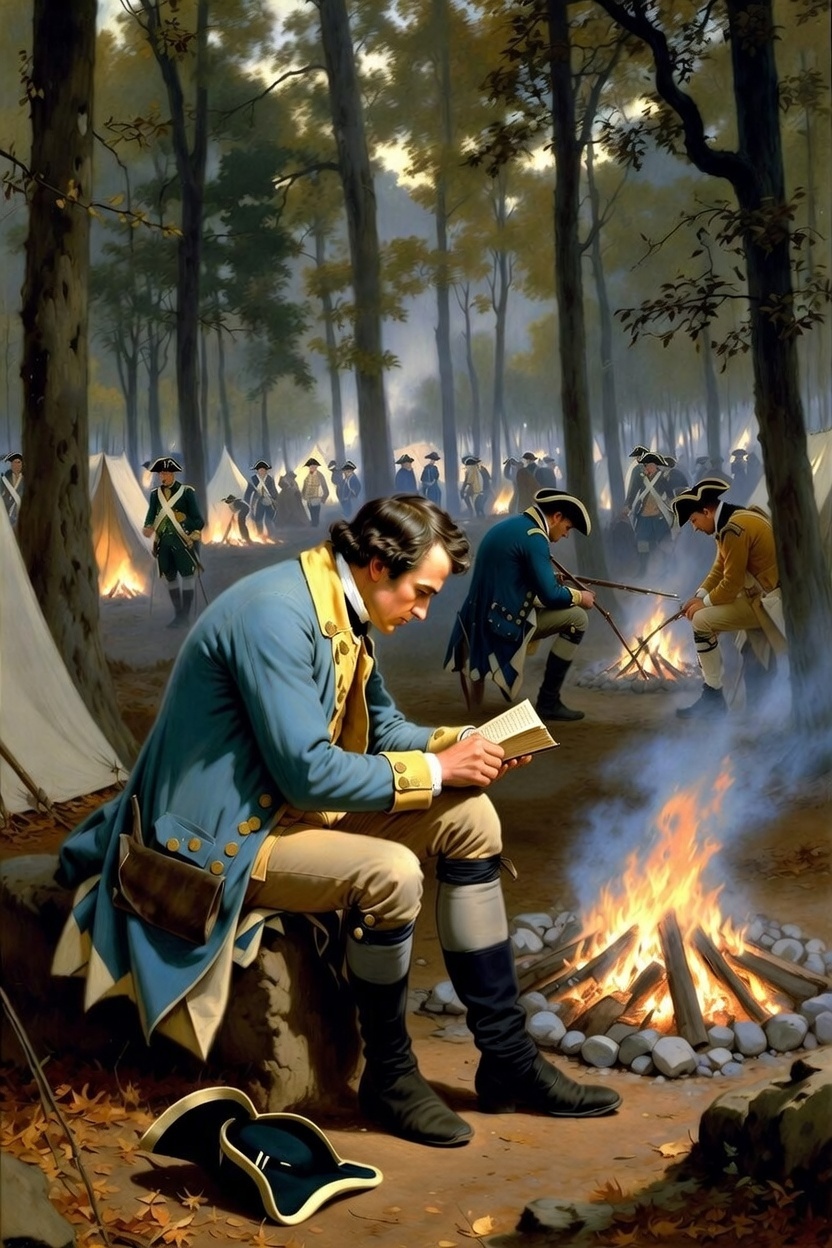
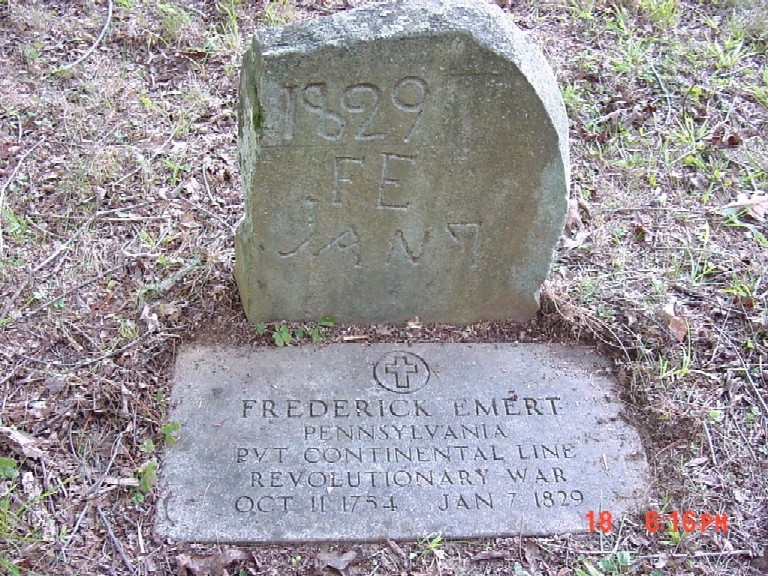
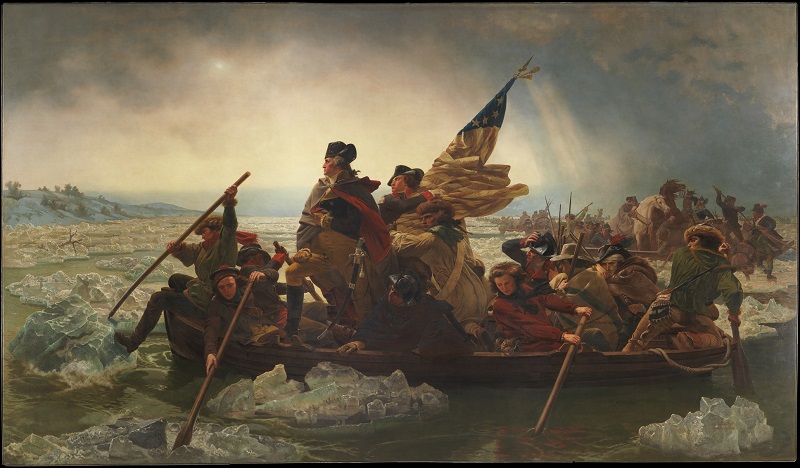
That pull to explore runs deep. I imagine my forebears boarding sailing ships for a new land or walking from North Carolina to fight in revolutionary battles. Had I lived in their time, I’d like to think I’d have joined the Lewis and Clark Expedition or ridden alongside my grandfather to chase the last gasps of the Western frontier. It’s not about fighting or conquest—it’s about what lies around the next bend, over the next hill.
Today, the open road still calls. Whether it’s a mountain pass or a quiet country lane, the urge to discover what’s next swells within me. It’s a shared human impulse, generation after generation, to seek new horizons. Some chase greener pastures, others crave the next great adventure. What’s your open road? Is it a physical journey, a new career, or an uncharted dream? Whatever it is, find it—and blaze your trail

Spared for a Purpose

As a child, I discovered the joy of performing—school plays, choral programs, and later, orchestra. I played a goldfish in a shimmering lamé suit my mother sewed, wore a Bavarian costume for a Christmas play, and mimicked accents from German to Scottish with ease. Singing came naturally, my boyhood voice clear and pure until puberty forced me to relearn my craft, guiding me toward country and bluegrass. Instruments like the violin, mandolin, and guitar challenged me, but gifted musicians mentored me, shaping my talents. One night, performing alongside William Hurt, I saw how his passion for storytelling mirrored my own call to share God’s love through art. These abilities, I believe, were God’s gifts, preparing me for a purpose revealed early in my life—a journey that has led me to perform alongside Oscar other winners like Gary Oldman and Emmy winners like Carroll O’Connor and Bill Cobbs.

Before my story really began, it took a dramatic turn when I was a toddler, a tale I share as my late mother told it. One morning, around four or five years old, she called to wake me, but I didn’t respond. She found me in bed, eyes fixed, “walled back in my head,” not breathing. Panic-stricken, she threw me over her shoulder, phoned my pediatrician, and sped through every red light in our blue Chevy Malibu to his office, 4.5 miles away. When she arrived, I was unchanged. The doctor, grim, said, “You should’ve gone to the hospital; there’s nothing we can do.” My mother insisted, “He’s here—do something.”

The nurse fetched a shot, likely adrenaline, while the doctor, my mother, nurses, and anyone nearby gathered around the exam table where I lay. They prayed fervently. That little boy, absent from his body and in the Lord’s presence, was called back. My chest rose, my heart beat, my pulse returned. How long I was gone—before my mother found me, during the drive, or through the prayers—only God knows. By all accounts, I should’ve stayed with my ancestors, but God had a mission for me, one that unfolds daily.

That day wasn’t the only time God spared me. In my 20s, after a late-night performance, I was driving my pickup truck too fast through mountain roads I knew like the back of my hand. Around 2 a.m., with windows up and music playing, an audible voice in the cab yelled, “Slow down.” No one was around, no houses in those wooded hills. I hit the brakes, and just over the next rise, a herd of deer stood frozen in the road. My headlights spurred them off, but had I not slowed, I’d have crashed, likely with fatal results. Years later, God’s Spirit filled my hospital room when doctors told my mother nothing more could be done. A prayer chain, sparked by her faith and joined by family, friends, and music fans, carried me through. I lived, a testament to His grace.

Every note I sing, every role I play, is a gift of time to serve Him. I recently attended a Spirit-filled revival led by Evangelists Mark and Sugar Klette in a country church with my friend Pastor Carroll Allen. The Lord led me to share His raising me up as a toddler, my voice strongly carried these powerful moments that changed my life forever as the congregation’s amens lifted me. Someone in that congregation needed to know that fervent prayers can still bring God’s healing. Their faith renewed my own dedication for God’s purpose. I don’t always meet this calling—doubt and missteps linger—but each day offers a chance to try.

Do you need a miracle to know God has a purpose for you? Perhaps not, but for me, He made it clear early on I remained in this world for a reason. As Ephesians 2:10 declares, “For we are his workmanship, created in Christ Jesus unto good works, which God hath before ordained that we should walk in them.” My life, my talents, my second chances—they’re all for His glory, a stage to share His love. What’s your stage? Listen for His call today.

Candor—Blessing, Curse, or Both?

We’ve all been there: someone you care about asks for your honest opinion, and suddenly you’re standing at a crossroads. Do you tell the unfiltered truth or soften it to spare their feelings? Maybe it’s a loved one asking, “Does this dress make me look fat?” Or perhaps it’s your boss, brimming with enthusiasm, seeking your thoughts on their latest “game-changing” idea. What do you say when the truth might sting—or worse, land you in hot water?

I learned this lesson early, at the tender age of four, in a moment that still makes me chuckle (and cringe). My mother and her girlfriends had stumbled into a side hustle selling wigs—a practical solution for busy mothers who couldn’t always make it to the beauty parlor. With budgets tight and schedules packed, a wig was a godsend: pluck it off a Styrofoam head, slip it on, and voilà—you were ready to face the world, looking as glamorous as Dolly Parton, who helped make wigs a cultural phenomenon. My mom owned three, each with a slightly different style and length, allowing her to switch up her look with ease. As a young boy, I never thought to question how she looked. My answer was always the same: “You look pretty, Mommy.”

But one hectic week, that innocence got me into trouble. My mother was juggling her usual duties at home while volunteering extra hours at my kindergarten, housed in the basement of our local Presbyterian church. She was coordinating a parents’ gathering, a chance to connect with other moms and dads over punch and cookies. That evening, she donned her best wig—a voluminous, chestnut-brown number—and a vibrant polyester dress she’d picked up from Rich’s department store. We piled into our blue Chevy Malibu and rolled down the road to the church, where the event was already in full swing.

As we mingled, Mrs. Moore, my kindergarten teacher, spotted my mom and gushed, “Mrs. Franks, I don’t know how you do it. Your hair looks fantastic!” I beamed with pride, eager to share in the praise for my mom’s effortless style. Without a second thought, I piped up, loud enough for the whole room to hear, “Mom’s wearing a wig!”

The room fell silent. I didn’t know I’d just spilled a trade secret. To me, it was just a fact, as innocent as saying the sky was blue. But the looks on the adults’ faces told a different story. My mother’s smile tightened, and I could feel the heat of her embarrassment. I’d landed myself squarely in the doghouse, and no amount of four-year-old charm could dig me out.

There was, however, an unexpected silver lining. My blurted truth sparked curiosity among the other parents, and soon, my mom and her friends sold a few more wigs as a result. But that didn’t erase the lesson etched into my young mind: candor—raw, unfiltered honesty—can be a double-edged sword. It’s a trait we’re taught to value, yet without a touch of tact, it can wound as easily as it enlightens.

Candor is like a wild horse: powerful and admirable, but it needs a bridle to keep it from trampling feelings. We live in a world that often demands honesty but recoils when it’s too blunt. Think about the workplace, where a colleague’s “brilliant” idea might be a logistical nightmare. Do you risk derailing their enthusiasm—or your career—by pointing out the flaws? Or consider the delicate dance of personal relationships, where a poorly timed truth can turn a simple question into a minefield. “Honey, does this dress make me look fat?” isn’t just a question about fashion; it’s a test of diplomacy, trust, and love.

Navigating these moments requires finesse, a balance of truth and kindness. It’s about being honest without being brutal, offering feedback that respects the person even as it addresses the issue. For example, instead of saying, “That idea won’t work,” you might say, “I love your creativity—let’s brainstorm how to make it even stronger by addressing X.” Or, to the dress question, a gentle, “You look great, but I think the other one highlights your style even more.”

My wig-blurting moment taught me that honesty, while noble, needs a filter. As adults, we’re not so different from that four-year-old version of me—eager to speak our truth but still learning when to hold back. The next time you’re faced with a question that demands candor, take a breath. Weigh the moment. Find the words that inform without injuring, that build up rather than tear down. With a little polish, you can stay true to yourself—and stay out of the doghouse.