Finding Peace in Nature’s Embrace

The mountains rise against a boundless blue sky, their green peaks painting a timeless portrait across my vision. I walk along a stream, its waters gurgling over smooth rocks, a soft melody that soothes my restless mind. In these moments, nature whispers a truth we often ignore: slow down, breathe, connect. Life, with its endless to-do lists and buzzing notifications, pushes us to rush, to chase, to conquer. Yet, here by the stream, where water flows without haste, I find tranquility—a reminder that peace is not in the race but in the pause.

How often do we let busyness blind us to the world around us? We hustle through days, tethered to screens, forgetting we’re part of a larger ecosystem. The stream doesn’t need us to flow, but we need it to remember who we are. Psychologists tell us that time in nature reduces stress, lowers blood pressure, and sharpens focus. A 2019 study from Aarhus University found that children raised near green spaces have a 55% lower risk of mental health disorders. Nature isn’t just scenery; it’s medicine for the soul. Yet, in our haste, we risk losing this gift. We litter, pollute, and neglect the very systems that sustain us. The success of our environment mirrors our own—if the streams dry up, so does a part of us.
Last spring, I planted my garden, a ritual that roots me to the earth as surely as the seeds I sow. I turned the soil, dropped in bean and tomato seeds, and waited. Some sprouted, their green tips bursting through the dirt like promises kept. Others withered, victims of nature’s whims. Yet, even in failure, I felt alive, working hand in hand with the creation my ancestors knew. Gardening isn’t just about food; it’s about partnership. The earth gives, but it asks for care in return—water, weeding, patience. My grandfather, a farmer, used to say, “You don’t own the land; you borrow it from your grandchildren.” His words linger as I pick up a stray plastic bottle from the grass, a small act of respect for the world I’ll pass on.
What do you do when you see trash on the ground? Do you pause to pick it up, or do you drive by, tossing wrappers out the window? These choices matter. The EPA estimates that Americans generate 4.9 pounds of waste per person daily, much of it preventable. Every bottle we pick up, every trail we clean, stitches us closer to the world we inhabit. We don’t need grand gestures—start small. Walk barefoot in the grass, feel the earth’s pulse. Plant a seed, even if it’s in a pot on your balcony. Join a community cleanup or swap one car trip for a bike ride. These acts ripple, like water over rocks, shaping a future where nature and humanity thrive together.
The mountains still stand, unwavering, as I trace the stream’s path. Their quiet strength reminds me that we’re not separate from nature but woven into its fabric. In a world that demands speed, nature offers slowness, a chance to touch life with every fiber of our being. Let’s listen. Let’s walk lightly, pick up the trash, plant the seeds, and honor the earth that holds us. Our ancestors did, and those who come later will thank us.

Finding the Spark: The Power of Enthusiasm

Each morning, we face a choice: silence the alarm, pull the covers up, and sink back into the darkness—or rise and embrace the possibilities of a new day. It’s tempting to stay in that cozy cocoon, especially when life feels heavy with routine or doubt. But enthusiasm, that inner fire that propels us forward, begins with one simple act: getting up. As my talented cousin Mark Twain wisely said, “The secret of getting ahead is getting started.” That first step out of bed opens the door to purpose, connection, and joy.

For me, that step often starts with a quiet prayer: “Thank you, Lord, for another day! What am I to do for you today?” Even on mornings when my spirit feels weighed down—by deadlines, uncertainty, or the monotony of daily tasks—that moment of gratitude grounds me. It’s a reminder that each day holds purpose, waiting to be uncovered. Once I shake off the cobwebs, sit at my desk, and let the world in, something sparks. A to-do list beckons, or the phone rings with a producer inviting me to a new film project, like The Cricket’s Dance, where I joined a vibrant cast to bring someone’s vision to life. More often these days, it’s an email from a collaborator proposing a show or a recording session. Those connections, especially the energy of a voice on the line, ignite my enthusiasm like a match to kindling.

As a creative soul, nothing fuels me like making something new. Picture this: I’m in my studio, surrounded by the hum of instruments, piecing together a melody. Notes clash, then harmonize, until a song emerges that might touch someone’s heart. That process—blending the artistry of multiple talents into one cohesive piece—sets my soul ablaze. Or take writing a script, like my recent project The American’s Creed. It starts as a flicker of an idea, then grows through late nights, revisions, and collaboration with actors and crew until it’s a living story on screen. These moments remind me why I get up: to create something that moves others.

But enthusiasm isn’t just for artists. It’s the parent who rises early to pack lunches and cheer at a soccer game, fueled by love for their kids. It’s the teacher who stays up late crafting lessons, driven by the hope of sparking curiosity. It’s the volunteer serving meals at a shelter, motivated by compassion. We all face mornings when motivation feels distant—when exhaustion, self-doubt, or the grind of routine dims our spark. I’ll admit, even I can’t muster enthusiasm for scrubbing the kitchen floor. (Let’s be honest—some tasks are just chores.) So how do we keep the fire burning?

First, take small steps. Break a daunting task—like a new project or a tough day—into manageable pieces. One note at a time builds a song; one scene at a time crafts a film. Second, seek community. My best work comes from collaborating with others whose passion amplifies mine. Find your people—friends, colleagues, or a faith group—who lift you up. Third, pause to reflect. There was a morning last month when I felt stuck, uninspired. I stepped away, prayed, and walked outside to my garden picked up my trowel and dug in the dirt. Between the garden rows, I stopped and let the breeze and a moment of stillness remind me why I create. That pause rekindled my purpose.

History offers examples of this spark. Consider Thomas Edison, whose enthusiasm for invention led to over a thousand patents. He once said, “I never did a day’s work in my life. It was all fun.” His relentless curiosity turned ideas into light bulbs that changed the world. We don’t all need to invent electricity, but we can channel that same drive into our own callings, whether it’s raising a family, building a business, or serving a neighbor.

Enthusiasm, at its core, is about finding what stirs your soul and taking that first step toward it. It’s not always easy, but it’s always worth it. So, what’s your spark? Seek it, nurture it, and let it carry you forward. As the Bible reminds us in Philippians 4:13 (KJV), “I can do all things through Christ which strengtheneth me.” With faith and enthusiasm, each new day becomes a canvas for purpose, connection, and joy.

Echoes of the Past: Why Certain Eras Feel Like Home

Have you ever felt drawn to an era you never lived through, as if your ancestors’ stories were woven into your very being? As a child, I’d close my eyes and picture myself on a lush green mountain trail, a pioneer forging a path through America’s wild frontier. The past felt closer than the present, as if I belonged to another time.

My childhood was steeped in the American Revolution and frontier days. I’d imagine slipping through forest shadows as an ancestor, spying on British troops or dodging danger along rugged paths. I could almost feel the weight of a musket in my hands, hear the creak of a wooden floor in a grand stone manor, where I’d don tailored clothes and wield a sword with finesse. These weren’t just games—they felt like memories, as if my forebears’ journeys lingered in my blood.

Some of Randall’s early 1900s kin at a front porch toffee pull.

As I grew, the WWI era and 1920s captured my heart, shaped by my grandparents’ stories. They spoke of muddy battlefields, hospital wards overflowing during the Spanish flu, and the quiet sorrow of fresh graves. Yet there were glimmers of joy—tales of square dances under starlit skies and toffee pulls that warmed the 1920s’ brighter days. Those stories carried such weight that I felt I’d walked those dirt roads myself.

The Great Depression and WWII, my parents’ youth, felt less vivid. We kids reenacted battles from old war films, mimicking soldiers with exaggerated accents. But those times never sank deep—they were stories I played at, not ones I lived.

Then came the 1950s. The era of sleek muscle cars and colorful Formica tables felt like home. Flipping through my parents’ photo albums—snapshots of soda fountains and drive-in theaters—I felt a pang of belonging, as if I’d cruised in a red-and-white ‘57 Chevrolet or swayed at a sock hop. Their tales of post-war hope made the decade feel like a second home.

Why do these eras pull at me? It’s more than nostalgia. My grandparents’ voices, heavy with loss, and my parents’ stories of 1950s optimism wove the past into my present. Or perhaps it’s deeper—memories encoded in my DNA, faint echoes of my ancestors’ lives surfacing in dreams of frontier trails and neon-lit diners.

In today’s world of instant updates, I find comfort in the past’s slower rhythms. The frontier’s adventure, the 1920s’ resilience, the 1950s’ optimism—they remind me every era has its struggles and joys. Which eras call to you? Dig through old photos or listen to your elders’ stories—you might find a time that feels like home. Perhaps we’re all a little out of sync with time, carrying echoes of the past in our hearts.

The Last Ride: A Father’s Voice, a Son’s Memory

I dreamed recently of riding with my dad. He was behind the wheel of his 1969 light green Chevrolet pickup truck, the engine humming softly as his voice filled the cab. We weren’t discussing anything profound—just the small, easy talk of a father and son on a familiar road. The cracked vinyl of the seat, the faint scent of motor oil, the rhythm of his words—it was a comfort, a tether to a time long gone. That dream carried me back 38 years to our final ride together. I was driving then, my hands gripping the wheel of my new 1986 blue Chevy S-10 pickup while he spoke of his hopes for my future, his love for me, and the adventures we’d shared chasing my music dreams. I didn’t realize those words would be his last words meant for me. He passed away in the wee hours of the next morning, and only then did his voice sink into my soul, echoing through the years.

That ride was a gift, though I couldn’t see it at the time. As a young man, I was too focused on the road ahead—both literally and in life—to fully hear him. His words were like seeds, planted in my mind, taking root only after he was gone. I can’t recall every detail of what he said; grief and time have blurred the edges. But the feeling remains—one of the most fulfilling moments he left behind. It was a moment of connection, rare in its simplicity, when he wasn’t just my father but a man sharing his heart.

My dad and I didn’t always talk so openly. Throughout my youth, our conversations were often father to son: him as teacher, disciplinarian, or storyteller, me as the eager but sometimes stubborn student. We butted heads like rams, especially in my teenage years, when I was itching to spread my wings and prove myself. He’d lecture me on responsibility; I’d roll my eyes, eager to carve my own path. He died too soon, before we could fully bridge the gap from father-son to man-to-man. I was still a boy in many ways, and we hadn’t yet found the rhythm of talking as equals. I wish now for just one more ride, one more chance to ask him about his dreams, his fears, his life beyond being “Dad.”

In my experience, men don’t often connect through words alone. We build things—birdhouses, car engines, dreams. We fish, we hunt, we work side by side. That’s what my father taught me. I remember weekends spent in the carport or workshop, the clank of wrenches and the low hum of country music on the radio as we rebuilt an old carburetor. Those moments were our talks, our way of being together. He also taught me patience, a lesson I’m still learning. I can still see him, calm and steady, untangling a knotted fishing line while I fumed at the delay. “Slow down, son,” he’d say. “The fish aren’t going anywhere.” Those were the lessons that shaped me, not in grand speeches but in quiet, shared doing.

Why share this memory now? Because time is fleeting, and I see it clearly. To fathers reading this: Don’t wait for the perfect moment to connect with your children. They grow up fast, and none of us knows how many days we’re given. Be intentional. Share a ride, a project, a story. Teach them patience, even when they push back. Discipline with love, not just authority. Encourage their dreams, even if they seem far-fetched—mine was to be a musician, and Dad never stopped cheering me on, even when the gigs were small and the pay was smaller.

Listen to your children, too. Ask about their hopes, their fears, what makes them light up. Those conversations will linger, just as my father’s voice does in me. Be the memory they carry into adulthood, the voice that guides them when they’re lost. You don’t need to be perfect—just present. Your words, your deeds, your love will shape them, not just for today but for decades to come.

I’ll never take another ride with my dad, but his lessons ride with me. Every time I’m patient, every time I choose to listen instead of lecture, I hear his voice. And in my dreams, we’re back in that old Chevy, the road stretching out, his words filling the air. Be that voice for your children. Be their memory, their guide, long after you’re gone.

A breakfast that lingers

As Mother’s Day morning drew near, I dreamed I stood over the stove in my childhood kitchen, frying pan in hand, setting it on the glowing red burner. Bacon sizzled, filling the air with its familiar aroma, while eggs waited in a bowl for a cheese omelet. Slices of Spam—a lunch or dinner staple from my youth—sat ready, perhaps a quirky twist of memory blending meals across time. I rarely eat breakfast, usually skipping it, but in my dream, I was stacking tasks like a seasoned cook: frying bacon, prepping Spam, whisking eggs. My mother sat in her favorite chair by the kitchen table, watching me work, our conversation as warm as the stove. I didn’t see biscuits, but I imagined them baking just inside the brown oven door below.

That vivid dream stirred memories of Saturday mornings long ago, when the smell of bacon frying would coax me from sleep. Our small kitchen buzzed with activity as my parents worked side by side. Dad, the omelet master, grated cheese and cracked eggs, while Mom patted out fresh biscuits, her hands dusted with flour. Bacon and sausage crackled in the skillet, and the oven warmed with the promise of golden biscuits. That cramped space never bothered them—they seemed to cherish it, perhaps recalling leaner times with even less.

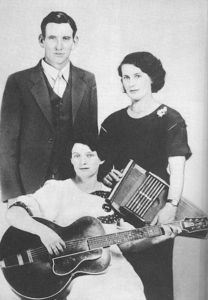
Pearl and Floyd Franks

When the feast was ready, the table groaned under plates of cheese omelets, crispy bacon, sausage, and steaming biscuits nestled in a bread basket. My brother and I, still in pajamas and robes, stumbled in, bleary-eyed but eager. We’d bow our heads to thank the Lord, then serving plates would fly as the food disappeared. Homemade apple butter, a sweet Southern staple, was slathered generously on those biscuits. As we ate, we talked—about the day ahead, weekend plans, or some milestone from the week. Those breakfasts were more than meals; they were where love and laughter solidified our family’s bond.

Why, in my dream, was I the one cooking, Spam sneaking into the breakfast lineup? Perhaps I was stepping into my parents’ roles, honoring the care they poured into every dish. My mother’s been gone 19 years, but in that dream, we shared a moment across the veil, her presence as real as the sizzle in the pan. When I woke, I got up, fried some bacon, and made a sandwich—a simple act I hadn’t done in years, but one that felt like a quiet tribute.

As this next Saturday rolls around, gather your family for a meal or a memory, whether it’s bacon and biscuits or even Spam. Those moments, steeped in love, might linger in your heart long beyond the years.

Shared Stages and a Life’s Calling

Ralph Stanley and Randall Franks in 1988.

In the summer of 1985, I stood under the bright lights of Nashville’s Fairgrounds Speedway, my mandolin ringing out as I harmonized with bluegrass legends Ralph Stanley, Wilma Lee Cooper, and Bill Monroe on “I Saw the Light.” The roar of 12,000 fans filled the air, and in that moment, I felt a fire ignite in my soul. That year, through shared stages with mentors and massive crowds, I discovered my calling—not just to play music, but to uplift and connect with audiences for a lifetime.

Randall Franks and Wilma Lee Cooper

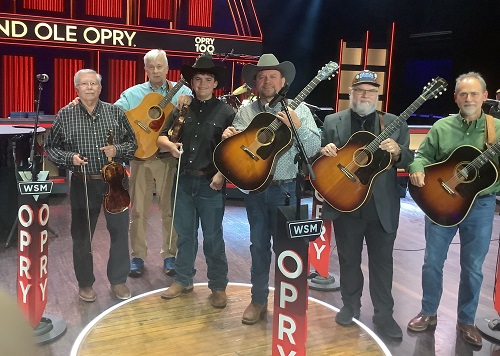
The week began at the Country Music Association’s Fan Fair, a vibrant celebration drawing 25,000 country music lovers to the Nashville Fairgrounds Speedway. On that Monday night, my band, the Peachtree Pickers, took the stage for the Grand Ole Opry’s Early Bird Bluegrass Show, marking our second Opry appearance. We shared the spotlight with giants like Bill Monroe and the Blue Grass Boys, Ralph Stanley and the Clinch Mountain Boys, and Wilma Lee Cooper. Though the exact songs we played have faded from memory, the thrill of our set—our teenage energy blending with bluegrass tradition—remains vivid.

The highlight came when I joined Stanley, Cooper, and Monroe to sing “I Saw the Light.” As we sang, my mandolin chops keeping time, I felt both awe and belonging. These legends, whose records I’d worn out as a kid, were now my peers for a fleeting moment. My hands trembled matching Monroe’s rhythm, but their warm smiles steadied me, teaching me that true artistry lies in serving the music and the audience. After the show, while my young bandmates headed home, I stayed to sign autographs and visit with fans throughout Fan Fair week, soaking in the connection that would fuel my career.

Weeks later, I traded my mandolin for a fiddle and faced an even bigger stage at the National Folk Festival in Ohio’s Cuyahoga Valley National Park. As the fiddler for Doodle and the Golden River Grass, I represented Georgia’s fiddle band tradition, walking in the footsteps of Gid Tanner and Clayton McMichen.

Randall with the Doodle and the Golden River Grass in 1990.

Shuttles whisked us backstage, where a funk band’s deafening set made tuning my fiddle a challenge. With 60,000 people waiting and a live radio broadcast looming, I battled nerves to tune my fiddle’s notes. When the emcee introduced us, I launched into “Fire on the Mountain,” giving it everything I had. Doodle Thrower, a master showman, worked the crowd like a conductor, guiding them from elation to sadness with a twist of his harmonica. His jokes sparked ripples of laughter that washed over the crowd like waves. I’d never felt the impact of an audience’s applause like that before or since—it flowed through my fiddle, confirming this was where I belonged.

Nashville taught me the power of mentorship; Ohio showed me the magic of moving a crowd. The lessons I absorbed those days reshaped my life’s path and led me to where I am today. Moments can make us—don’t miss yours. To hear more about my time with Ralph Stanley, watch the mini-documentary Bluegrass Legends: Ralph Stanley & Randall Franks An Interview 

Why Do Our Dreams Return Us to Familiar Places?

Why do our dreams so often transport us to familiar settings—our childhood homes, old schoolyards, or long-forgotten rooms? For me, these recurring landscapes are no coincidence. I believe our minds seek comfort in the known, anchoring us in spaces where we once felt safe to help us rest, reflect, or even receive deeper insights. My dreams, in particular, consistently return me to my childhood home, a place of warmth and security that continues to shape my sleep and my soul.

In these dreams, I’m back in that modest house, creaky wooden floorboards underfoot, the faint scent of my mother’s L’Origan perfume lingering in the air. The faded diamond-patterned wallpaper in the hall is just as I remember, though the scenes often defy time. I might be my current age, chatting with my parents about challenges they never witnessed, or joined by an old friend I’ve lost touch with, as I was just last night. Nothing extraordinary happens—just a visit, a conversation—but I awaken wondering what it meant. Was that dream a quiet reassurance that my friend, wherever they are, is okay? These familiar surroundings feel like a canvas where my mind paints comfort and connection, even when reality offers none.

This sense of comfort leads me to reflect on why my mind chooses this setting. I’ve read that our brains often choose familiar settings in dreams to process emotions in a safe, recognizable context—a theory that feels true to my experience. My childhood home isn’t just a backdrop; it’s a sanctuary where I feel grounded, whether I’m reliving memories or imagining new moments. It’s not my favorite vacation spot or a fantastical realm—it’s the place where I felt loved, allowing me to rest deeply or confront life’s uncertainties with clarity.

In my youth, dreams of home felt like more than nostalgia. As I pursued a career in entertainment, I believed God used these familiar rooms to offer guidance, showing me paths I might have avoided—opportunities my fears could have blocked or people I wouldn’t have met. These dreams were guideposts, blending divine insight with the study and practice of my waking life. Another dream left me awestruck: I saw a portly, gray-haired black woman, unknown to me, tenderly caring for a young boy. She addressed me by name, offering gentle advice with a warm smile, as if I were one of her charges. A man’s voice called her Grace. When I shared this with my mother, she was stunned. Grace, who died before I was born, had generously given her time caring for my older brother when my mother was a struggling single working mom, long before my time. I’d never heard her name, yet there she was, a guardian angel in my dream. My mother’s eyes lit up, and she said, “You have a wonderful guardian angel watching over you.” Though I didn’t always follow such guidance perfectly, these dreams shaped my path, placing me where I could grow and serve.

But dreams of familiar places aren’t always serene. Nightmares from my youth—tossing and turning in my twin maple bed—still linger in my psyche, like one so vivid I woke bouncing in fear, running to my parents for comfort in the wee hours. These moments, though rare, show that even in distress, our minds cling to familiar settings to confront hidden fears or traumas. For me, such nightmares are exceptions, and my long-ago home remains a refuge where sleep brings solace.

So why do our dreams return us to familiar places? I believe they are the heart’s safe harbor, where we rest, reflect, and sometimes glimpse deeper truths. Whether it’s my childhood home, your old classroom, or another’s quiet street, these settings remind us that even in sleep, we seek comfort to face life’s uncertainties. For me, these dreams are a gift—a blend of memory, faith, and hope that guides me, one familiar place at a time.

Three Lessons to Live Fully

Easter’s celebration of Christ’s resurrection renews our call to live fully in His service. As we proclaim, “He is Risen, He is Risen Indeed!” we’re invited to carry His message by embracing a richer, more purposeful life. Jesus offers timeless lessons to guide us: love God and others, forgive freely, and trust in God’s provision. Rooted in scripture and tested in my own journey, these truths can transform our lives. Let’s explore how.

Love God and Others

Jesus taught that the greatest commandments are to love God with all your heart, soul, and mind, and to love your neighbor as yourself (Matthew 22:37-40). This love is the foundation of a full life. What would your days look like if you placed God at the center and loved others with His love?
I’ve struggled with this. I’ve always wanted to keep God first, but at times, I’ve placed myself on a pedestal—chasing my successes, wants, and desires. When I did, my failures hit hardest because I took my eyes off Him. Keeping God at the center isn’t always easy, especially when life feels overwhelming. Start small: dedicate a moment each morning to prayer, inviting God to guide your heart. This practice shifts our focus, deepening our love for Him and those around us.

Forgive Others

Loving others fully often requires letting go of past hurts, which brings us to Jesus’ second lesson: forgiveness. He taught that forgiving others frees us from bitterness and aligns us with God’s grace (Matthew 6:14-15). What grudges are you carrying that Christ could help you release?
For years, I harbored resentment toward childhood bullies, past heartbreaks, and those who wronged me. That anger tainted my interactions, leaving me guarded. But one day, I knelt at the altar and surrendered it all to Christ. In that moment, I felt free. I could stand beside those I once resented, not with anger, but with God’s peace. Forgiveness can feel daunting, especially for deep wounds. Pour out your pain, then pray and release it to God. This act unlocks inner peace and stronger relationships.

Trust in God’s Provision

Finally, Jesus calls us to trust in God’s provision. He encouraged His followers not to worry about material needs but to seek God’s kingdom first, trusting that God will provide (Matthew 6:31-33). This trust reduces anxiety and fosters a life of faith.
Raised by parents shaped by the Great Depression, I grew up mindful of hunger and need. Preparing for lean times felt natural, making trust in God’s provision one of Jesus’ hardest lessons for me. Yet, as I practiced seeking His kingdom first, I found peace in His faithfulness. Trusting God can feel daunting in times of financial strain. Start small: pray over one worry, like a bill or decision, and watch how God provides. Over time, this builds a life rooted in purpose, not fear.

Live Boldly for Him

Refreshed by the truth that He is Risen, let’s carry these lessons into our daily lives. This week, pray for one person you struggle to love, forgive, or trust God about. Step boldly into the highways and byways, living fully in Him, with Him, and for Him. May your life reflect the love, freedom, and faith of the risen Christ.

Chance Meetings and Nashville Memories

I messaged a Heart of Texas Records friend, Tracy Pitcox, on Facebook, hoping we’d cross paths during our uncoordinated Nashville visits. Little did I know God had plans to weave old friends and new moments together in Music Valley Drive—a corner of Music City that still feels like home.

Randall Franks and Kevin Shorey

Nashville’s changed since my youth. High-rises have replaced old landmarks, but Music Valley Drive, tucked near the Opryland Hotel, holds some of its feel. The hum of country music lingers here, even if only in visitors’ memories. This is where I first brought my band, The Peachtree Pickers, in the early 1980s for a bluegrass festival at the KOA Campground. We returned in 1984 to perform at the Grand Ole Opry’s 59th Birthday Celebration nearby. Over time, the Ernest Tubb Record Shop’s stage, and later its Texas

Tracy Pitcox, Justin Trevino, Randall Franks and Jack Phillips.

Troubadour Theater, became my venues for Midnight Jamboree performances. In 2011, I filmed scenes for Lukewarm nearby. Every visit stirs memories. I even brought my youth mentees here to meet Grand Ole Opry star Jesse McReynolds. After eating at Shoney’s, we jammed with the legend in the parking lot—a moment captured in my documentary The Road to Nashville, proof that music flows freely on Music Valley Drive.

This trip, I’d come for a TV appearance on the AM Kevin Club with Kevin Shorey, arranged by long-time friend Ruth Brown, and a major 8 Track Entertainment “Sunday in the South”  event for Shenandoah, Jason Aldean, and Luke Bryan and a debut event for Ira Dean’s “I Got Roads.” 

8 Track Entertainment Executives Jeff Goodwin (left) and Noah Gordon (right) with Randall Franks at 8 Track Entertainment #1 Party. Goodwin and Gordon are long-time friends of Randall with Goodwin being his former manager and Gordon a fellow artist and co-writer.

Arriving early for a lunch meeting, I wondered. At Cooter’s Dukes of Hazzard store, I grinned at General Lee memorabilia, recalling friends like Sonny “Enos” Shroyer, a steadfast supporter in my acting career. Nearby, I paused at cement footprints from stars who left them in the ‘80s and ‘90s—friends like “Doc” Tommy Scott, now gone, their signatures a quiet testament to Nashville’s past.

I headed to Cracker Barrel, a spot steeped in memories. In the ‘90s, I’d lunch there with Opry friends like The Whites or share a moment with Garth Brooks and his then-wife Sandy at nearby tables. Once, fans mobbed me for photos—a humbling blessing—and the manager comped our meal.

On this day, as I reached the Cracker Barrel porch, the stars aligned: Tracy Pitcox, a DJ and country music promoter, stepped out with artist Justin Trevino and young steel guitarist Jack Phillips. I waited for Tracy to finish a call, then called his name. We swapped stories, grinning ear to ear, our shared history in country music sparking laughter.

Joyce Jackson and Randall Franks

My Memories of Jim Reeves

Just then, a country music mainstay arrived—Joyce Jackson, a friend from the ‘90s when she worked with Mae Boren Axton, the songwriter behind “Heartbreak Hotel.” Joyce joined our chat, and we snapped photos before she and I settled inside. Over lunch, she shared her book, My Memories of Jim Reeves and Other Celebrities, and I was touched to find myself mentioned in its pages. It’s a heartfelt glimpse into classic country’s inner world—well worth a read.

That day reminded me: when you set your heart on connection, God often nudges the right people into your path. Music Valley Drive, with its echoes of my past, became the stage for new memories with old friends. It’s a lesson in faith and fellowship I’ll carry forward.

Riding Dollar Back to Common Ground

I gripped Dollar’s reins as she spun 180 degrees, testing my rusty riding skills. With effort, I turned it into a full 360, regaining control. It had been 20 years since I’d last swung a leg over a horse, and I’d lost much of my knack. Yet Dollar stayed patient with me as we worked together on the set of The American’s Creed, a historical film set during the American Revolution. Horses, like humans, prefer the company of those they trust—and I was determined to earn hers.

Randall Franks (left) as “Capt. Robert Shields” with Dollar and Butch Culpepper as “Jeremiah Weer” with Charlie on the set of The American’s Creed. (Courtesy: Peach Picked Productions: Ashley Robillard)

I’d spent my childhood glued to westerns, both films and TV shows, dreaming of the open range. My Granddad Bill had lived that life, cowboying out west in his youth at the turn of the 1900s. From what I’ve heard, he was a fine horseman, punching cows and driving steers to market. I never got to learn from him—he passed before I was born—but those old westerns gave me a glimpse of what his adventures might have been like. As an actor, I longed to star in one, though I came up in the era of police dramas like In the Heat of the Night and endless sitcoms.

Filming The American’s Creed gave me a taste of that dream, even if it wasn’t a western. I was nursing a broken leg back to health, and mounting Dollar was a struggle. I climbed up the wrong side, awkwardly lifting my mending leg over the saddle. No doubt she was annoyed—and I couldn’t blame her. In life, we all get irked by folks who rub us the wrong way. But just as Dollar tolerated my fumbling, we often have to push past slights or annoyances to find a way forward.

That day, as I steadied her after her spook, I felt a flicker of the past—those western scenes where a horse bolts and the rider hangs on. Here I was, living it, albeit in a Revolutionary War setting. Over time, Dollar and I found our rhythm, syncing our timing and intuition to nail the scenes. By the end of the shoot, we were old friends. If I ever get to do a western, I’d love to ride with her again.

The greatest lesson came clear: people drift in and out of our lives, some for a moment, others for years. Like Dollar and me, we must seek common ground to avoid facing off like gunslingers in a dusty street. Hopefully, if it comes to that, Dollar would be waiting nearby—not for a getaway, but to carry me off into the sunset. Check out more about the short film, and its documentary at RandallFranks.com/The-Americans-Creed.