
Fading notes of the American songbook
Music has always been a source of respite, offering an escape from daily life, even if just for 3.5 minutes. It weaves a soundtrack into our lives from the moment we grasp its power to touch us. The rhythm, lyrics, and melodies resonate deep within, from the toddler clapping along as a parent teaches a nursery rhyme to the teenager discovering their own musical identity.
As we grow, we develop our tastes, often shaped by friends or refined through personal exploration. In my youth, television, radio, and the occasional film guided my generation toward the sounds that defined us. Pop, Country, Rock and Roll, Jazz, Rhythm and Blues — each of these carried a gospel thread, echoing from church choir of the gospel songs shared from hymnals. Regional styles like bluegrass, folk, and zydeco added richness, while classical and opera spoke to others. These genres fostered connection, sparking dances, concerts, music festivals, and jam sessions, both casual and formal.
For decades, certain tunes became part of the American songbook—melodies and lyrics nearly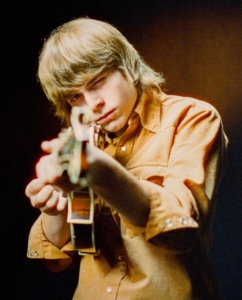 everyone could hum or sing. These shared anthems united us. But in a short time, new genres emerged, and the way music was delivered fractured. Internet platforms, with their endless choices, segmented audiences by generation, culture, and region. The once-unified musical fabric began to unravel, and the American songbook stopped growing with songs everyone knew. What caused this shift? We may never know, but the days when half the country shared the same musical moments are fading.
As a musical artist, I strive to create music that bridges these divides, just as my friends do. One such artist, Wyatt Ellis, a young talent like I once was, recently released a vibrant single and video, Country Boy Rock and Roll, alongside Trey Hensley. This nod to Don Reno and Red Smiley’s classic blends tradition with fresh energy—a must-listen for anyone craving music that unites: [ https://www.youtube.com/watch?
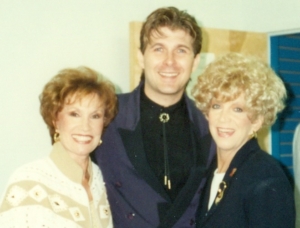
Grand Ole Opry star Jan Howard (left) and Jeannie Seely with guest star Randall Franks backstage in Nashville while performing in 1995.
We recently lost a legend who embodied the shared songbook era: Grand Ole Opry star Jeannie Seely, who passed at 85. Since 1966, the Grammy winner performed on the Opry stage more than any other artist. When I first performed there, her kindness lifted me, a gesture she repeated through the years. Jeannie inspired generations of singers, and the outpouring of love online and in the media reflects her impact. As legends like her leave us, we lose pieces of the American soundtrack that shaped our world.
Yet, music endures. What song from your childhood still stirs your soul? Let’s honor our musical heritage by discovering new voices and sharing the melodies that connect us, keeping the American songbook alive for generations to come.

 “Written in Song is such an exciting project for me for many reasons,” Seely said. “It consists of 14 songs that I have written over the years, most of them recorded by my peers and my heroes. It’s also very rewarding to know that these songs have stood the test of time and are just as viable today. I am extremely grateful to the musicians and singers who made them sound brand new.”
 the Amazon Bluegrass Chart. The new album marks a return for the Grammy-nominated acoustic five-piece.


